
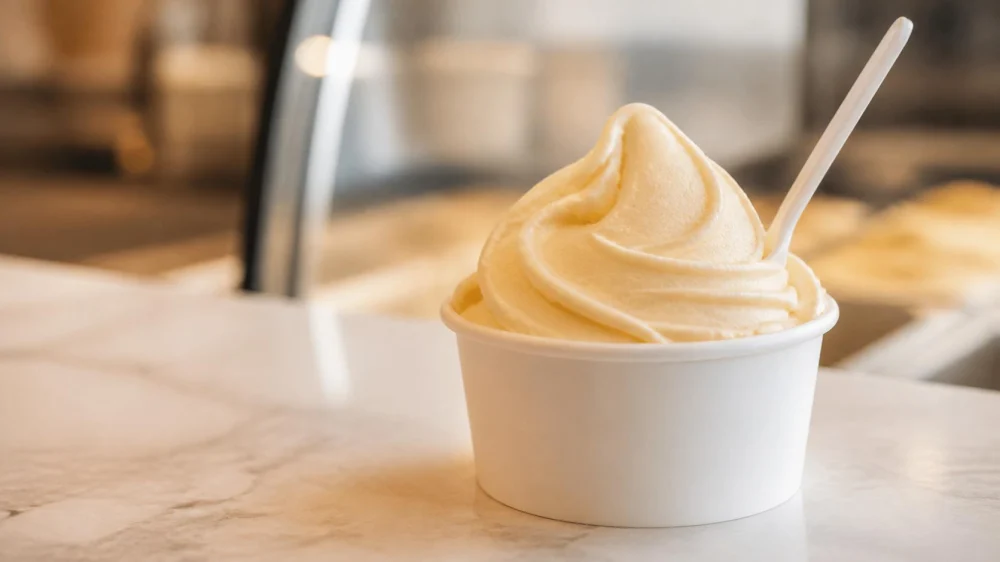
Frozen Custard: Eggs, Churn, and What to Expect
On this page
Quick answer
Frozen custard is a frozen dairy dessert made with egg-yolk solids in addition to milk or cream and sweetener. It is commonly churned with less incorporated air and served at a relatively soft temperature, creating a dense, smooth texture. Recipes and legal labels vary, so ask the shop about eggs, dairy, flavour ingredients, cross-contact, serving format, and whether a “custard” name describes the actual product.
The Meadows Original Frozen Custard / meadows ice cream hagerstown
HagerstownWashington CountyMaryland
222 E Oak Ridge Dr, Hagerstown, MD 21740, USA
What frozen custard is
In the United States, frozen dessert categories have standards and labelling rules, but everyday menu language is not always precise. The defining idea behind frozen custard is an ice-cream-like base with meaningful egg yolk content. The eggs are part of a pasteurised commercial mix or controlled recipe, not a raw egg added at the counter.
Shops may offer vanilla and chocolate continuously with rotating feature flavours. Some sell scoops, while others dispense a soft ribbon from a machine. “French vanilla” or “custard flavour” on another dessert does not automatically make it frozen custard.
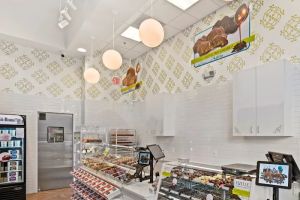
Kilwins Ice Cream - Chocolate - Fudge / kilwins the wharf
WashingtonDistrict of Columbia
663 Water St SW, Washington, DC 20024, USA
Why the texture differs
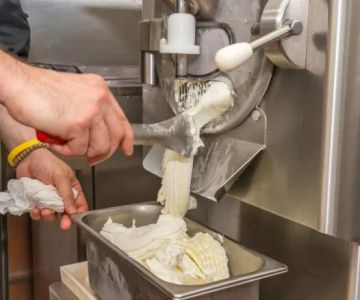
Egg yolk contributes emulsifiers and solids that support a rich, cohesive texture. Lower overrun—the amount of air incorporated during freezing—can make each spoonful feel denser. Service temperature also matters: a softer serving can release flavour quickly and melt sooner.
Texture does not prove freshness or ingredient quality by itself. A shop must manage mix temperature, machine sanitation, holding, and service according to food-safety requirements.
How to order it
- Start with a small serving. Dense texture can make a modest portion satisfying.
- Ask about the format. Choose scoop, cup, cone, sundae, shake, or a layered mix based on travel and melt time.
- Taste the base first. Vanilla can show the characteristic texture without many mix-ins.
- Add one contrast. A crisp, tart, salty, or roasted topping can balance richness without burying the custard.
- Plan to eat promptly. Soft service melts quickly, especially outdoors or in a warm car.
- Verify allergens every visit. Eggs and dairy are expected, while cones, flavours, toppings, and shared tools add other risks.
Shop checklist
- Product is identified as frozen custard rather than assumed from appearance
- Egg, dairy, flavour, cone, and topping ingredients checked
- Cross-contact and shared-machine questions answered
- Portion matches appetite and melt conditions
- Take-home product goes directly to a freezer or insulated plan
- Unusual off-odour, damaged packaging, or unsafe holding is reported, not tasted
Allergens and important notes
Frozen custard normally contains egg and milk and may include wheat, soy, peanuts, tree nuts, or other allergens through flavours, cones, and toppings. A dairy-free “custard-style” dessert may use different ingredients and labelling. People with allergies should use current shop information and ask about shared equipment.
Pregnant people, young children, older adults, and immunocompromised diners should rely on products made and held under applicable food-safety rules. Ask the shop when pasteurisation or handling is unclear.
Sources and evidence notes
The explanation reflects established frozen-dessert formulation: egg-yolk solids, controlled air incorporation, freezing, and serving temperature influence texture. Official food standards and the shop’s current ingredient and safety records govern a specific product.
Frequently asked questions
Is frozen custard just soft serve?
No. Both may be machine-dispensed, but frozen custard includes egg-yolk solids and has its own formulation and labelling.
Does it taste like eggs?
Usually the egg supports richness and texture rather than producing an obvious scrambled-egg flavour.
Is frozen custard always more dense?
It is often formulated and churned for a dense feel, but texture varies by recipe, air, temperature, and service.
Can I refreeze a melted serving?
Avoid relying on refreezing for safety or quality. Keep take-home custard cold and follow the shop’s storage instructions.
Next steps
Ask whether the shop makes true frozen custard, check eggs and other allergens, and start with a small cup of the base flavour. Compare its density and melt with your usual ice cream, then add toppings only if they improve the balance.

 Whitey's Ice Cream4.0 (1472 reviews)
 Dairy Delite & Grill4.0 (315 reviews)
 Zitas Homemade Ice Cream4.0 (640 reviews)
 Dairy Queen (Treat)4.0 (543 reviews)
 Baskin-Robbins3.0 (49 reviews)
 Rita's Italian Ice & Frozen Custard4.0 (133 reviews)
 代码Ice Cream Sandwiches: Homemade Recipes and Best Store-Bought Options Reviewed
 Best Ice Cream Shops in Springfield for Illinois Sweet Corn Flavors
 The Science of Ice Cream: Why It’s So Addictive | Explore the Chemistry and Psychology
 Ice Cream Making 101: How to Create the Perfect Ice Cream Flavor
 Best Ice Cream Shops in Fairbanks for Alaska Aurora Borealis Themes
 How to Make Low-Calorie Ice Cream at Home: Healthy and Delicious Recipes