
- gathering-the-core-ingredients-for-ice-cream
- the-pasteurization-process-ensuring-safety-and-quality
- homogenization-and-cooling-building-the-perfect-texture
- aging-the-mix-a-secret-to-richness
- freezing-and-churning-where-the-magic-happens
- adding-flavors-and-inclusions-for-creative-variety
- hardening-and-packaging-finalizing-for-consumers
- experience-artisan-quality-with-ice-cream-shop
1. Gathering the Core Ingredients for Ice Cream
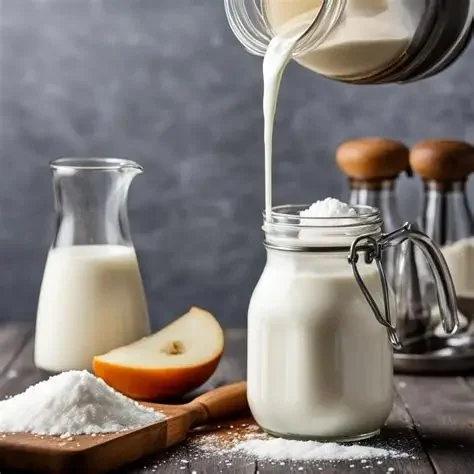
At its heart, ice cream starts with a simple base: cream, milk, sugar, and often egg yolks for custard-style versions. Some recipes add stabilizers or emulsifiers for texture, but true artisan creations prioritize high-quality dairy and natural flavorings. Choosing the right ratio of cream to milk is essential—typically, higher fat yields a richer mouthfeel.

Benvenuti Montclair / benvenuti montclair
MontclairEssex CountyNew Jersey
20 Church St, Montclair, NJ 07042, USA
2. The Pasteurization Process: Ensuring Safety and Quality
Pasteurization isn’t just a legal requirement—it’s crucial for safety. This process involves heating the mixture to eliminate harmful bacteria while preserving flavor integrity. In large-scale production, the mix is heated to around 165°F for at least 30 seconds. This step also helps blend sugars and proteins uniformly, ensuring consistent quality in every scoop.

Treat Down The Street / treat down the street
AspinwallAllegheny CountyPennsylvania
231 Commercial Ave, Aspinwall, PA 15215, USA
3. Homogenization and Cooling: Building the Perfect Texture
After pasteurization, the mix is homogenized—pressure-blasted to break down fat molecules for a smooth, creamy texture. This is followed by rapid cooling to about 40°F. Cooling immediately after homogenization helps prevent microbial growth and preserves freshness. The resulting base is thick, silky, and ready for the next phase.
4. Aging the Mix: A Secret to Richness
Many expert ice cream makers swear by aging the mix for 4 to 24 hours in cold storage. This rest period allows the fat to crystallize and the proteins to fully hydrate, yielding a more luxurious texture. It’s one of those behind-the-scenes tricks you don’t see—but definitely taste. Aged mixes tend to absorb added flavors better, too.
5. Freezing and Churning: Where the Magic Happens
Here’s where liquid becomes luscious ice cream. The aged base is transferred into batch or continuous freezers, where it’s churned while being rapidly frozen. Churning introduces air—known as “overrun”—which affects body and lightness. Less air means a denser, more premium product, typical of small-batch artisans and brands like those featured at Ice Cream Shop.
6. Adding Flavors and Inclusions for Creative Variety
At this point, flavoring agents and mix-ins are added. Whether it’s Madagascar vanilla, crushed Oreos, caramel swirls, or real strawberries, this is where identity is formed. Inclusion timing matters—delicate ribbons and brittle nuts are folded in near the end to preserve their structure and burst of taste. Flavor layering can also create surprises in every bite.
7. Hardening and Packaging: Finalizing for Consumers
Freshly churned ice cream is still soft—more like gelato. It’s then hardened in blast freezers at -20°F or lower for several hours. This solidifies the product for scooping and shipping. Finally, it’s packaged, sealed, and stored cold until it's ready to be enjoyed by customers across the country—or scooped fresh at a local shop.
8. Experience Artisan Quality with Ice Cream Shop
If you’re curious to taste ice cream crafted with passion and precision, explore what Ice Cream Shop offers. From hand-churned classics to bold seasonal blends, their selection mirrors the steps you’ve just read—each scoop a testament to craftsmanship and quality. Whether you're learning how ice cream is made or craving the best cone in town, this is the place to start.



 Paleta Factory4.0 (6 reviews)
 BMORE LICKS4.0 (2167 reviews)
 La Michoacana Supreme4.0 (214 reviews)
 Baskin-Robbins3.0 (113 reviews)
 Bruster's Real Ice Cream4.0 (483 reviews)
 Sunday's4.0 (92 reviews)
 What Is Pumpkin Spice Ice Cream and Why It’s a Fall Favorite
 Best Ice Cream Shops in Boston for Brown Bread and Other Oddities
 Why Ice Cream is So Good for Your Mental Health – The Sweet Truth
 How to Make Ice Cream with Longan for an Asian Lychee Relative
 How to Quick-Freezing Ice Cream Without Crystals
 Best Ice Cream Shops in Nashville for Southern Sweet Cream Flavors