
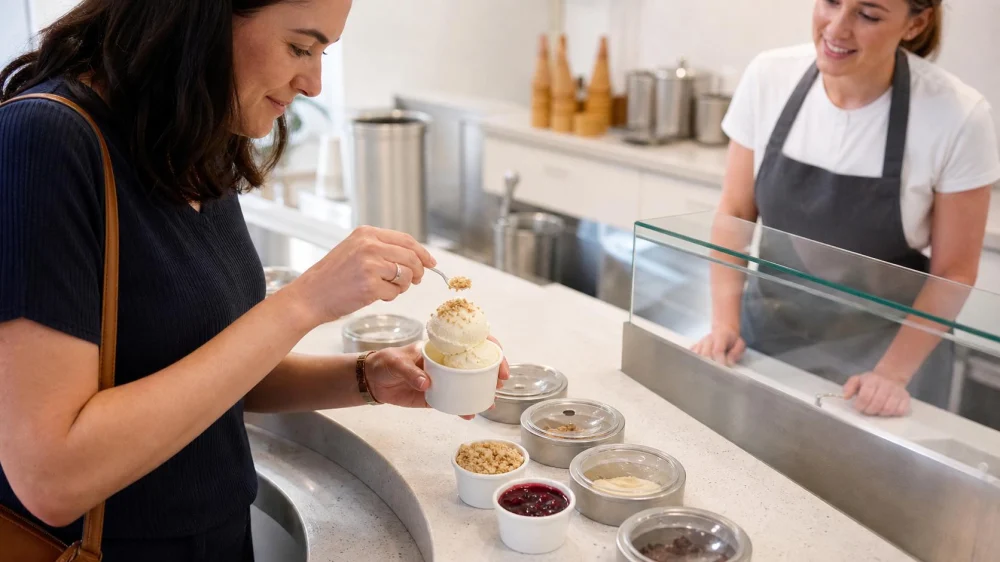
How to Choose Ice Cream Toppings That Stay Enjoyable
On this page
Quick answer
Choose one topping for contrast and one for flavour. Crisp pieces work best when eaten immediately; cookies and cereal soften as they absorb moisture. Thick sauces can become chewy on very cold ice cream, while warm sauces speed melting. Put fragile toppings on the side for travel, use a cup for loose pieces, and verify ingredients and shared-utensil practices when allergies matter.
This guide is for customers ordering frozen desserts in the United States. Topping recipes, storage, serving temperature, and allergen handling vary by shop.
Hangry Bear Creamery / hangry bear creamery menu
Kennett SquareChester CountyPennsylvania
660 E Cypress St Suite #101, Kennett Square, PA 19348, USA
Start with one texture contrast
Smooth ice cream often benefits from one crisp, chewy, or tender element. Too many crunchy toppings can make each bite feel dry, while several sauces can hide the base flavour.
- Crisp: toasted crumbs, cone pieces, brittle-style pieces, or cereal.
- Chewy: brownie pieces, mochi-style pieces, or dried fruit where offered.
- Soft: cake, fresh fruit, or whipped toppings.
- Saucy: chocolate, caramel, fruit, or nut-based sauces.
Names do not guarantee texture. Ask whether an ingredient is fresh, frozen, warm, or stored dry.

Carvel / carvel woodbridge nj
Woodbridge TownshipMiddlesex CountyNew Jersey
1191 St Georges Ave, Colonia, NJ 07067, USA
Match toppings to eating time
For immediate eating, fragile crisp toppings can stay separate long enough to provide contrast. For a takeaway cup, request them on the side when possible.
Warm toppings melt the surface and can turn a neat scoop into a soft mixture. Very cold sauces may firm quickly. Fruit can release water, and salty crunchy items can soften.
If transport will be more than a brief trip, choose sealed shop packaging and an appropriate cold plan rather than building a tall open sundae.
Balance flavour and portion
Use a dominant flavour plus a supporting accent. Chocolate ice cream may pair with a tart fruit or plain crunch; vanilla may carry a strong sauce; a complex flavour may need no topping.
Begin with a small amount. Extra toppings change sweetness, salt, texture, and total portion. Ask whether pricing is per topping, by weight, or included in a set build.
Choose a practical container
A cup controls sprinkles, crumbs, sauces, and melting better than an open cone. A cone offers its own crunch, so additional crisp toppings may be redundant.
For children, outdoor heat, mobility needs, or a slow eater, choose a wide stable cup and fewer loose pieces. Keep toppings away from clothing and shared surfaces rather than overfilling.
Check ingredients and cross-contact
Toppings can introduce nuts, dairy, egg, wheat, soy, sesame, or other allergens even when the ice cream base appears suitable. Ask about the exact topping, sauce, cone, and garnish.
Shared scoops, bins, spoons, and topping rails can create cross-contact. Explain the specific allergy and choose another shop or packaged option if staff cannot meet the need.
Topping checklist
- Choose one texture contrast.
- Add one supporting flavour if needed.
- Eat fragile crunch immediately or request it on the side.
- Expect warm sauce to speed melting.
- Use a cup for loose or heavy toppings.
- Start with a small portion.
- Check price method before adding extras.
- Verify all ingredients and cross-contact procedures.
Limitations and important notes
- “Sugar-free,” “vegan,” or “gluten-free” labels do not answer every dietary or allergy question.
- Hard candy and large nuts may be unsuitable for some children or people with chewing or swallowing concerns.
- Nutrition depends on actual recipe and portion.
- Keep takeaway desserts frozen and follow shop guidance.
- Severe allergic symptoms require emergency care.
Frequently asked questions
Why do cookie toppings get soft?
They absorb moisture from the ice cream and surrounding air. Add them just before eating.
Should sauce go under or over the scoop?
Underneath spreads flavour as the scoop melts; on top creates a stronger first bite. Temperature and transport matter more than the position.
What toppings travel best?
Dry toppings packed separately usually preserve texture better. Ask the shop for suitable takeaway packaging.
How many toppings should I choose?
There is no fixed number, but one or two often keep the base flavour clear and the portion manageable.
Are topping bars safe for allergies?
Shared bins and utensils can present cross-contact. Ask the shop directly about its process.
Sources and evidence notes
The rules use general food-texture principles: dry items absorb moisture, temperature affects sauce viscosity and melting, and portion changes flavour balance. Shops provide recipe and allergen-specific information.
Build a two-topping order
Choose your base flavour, then name one texture it lacks. Add one topping for that contrast and, only if needed, one sauce or fruit accent. Request fragile pieces on the side when travelling and verify the full ingredient and cross-contact picture before ordering.




 So Cool Bus Ice Cream Truck4.0 (26 reviews)
 Happy Dayz - Ice Cream Shop in Edison4.0 (364 reviews)
 Gordons Milkshake Bar4.0 (507 reviews)
 La Michoacana 164.0 (189 reviews)
 Dairy Queen (Treat)4.0 (374 reviews)
 DIPPIN’DOTS3.0 (7 reviews)
 Ice Cream and Space Exploration: How Astronauts Eat Ice Cream
 How to Make Ice Cream with Just Two Ingredients | Easy and Delicious
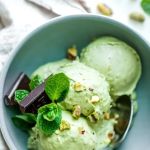 How to Make Creamy Vegan Ice Cream with Avocado
 What Is Pistachio Almond Ice Cream and How to Roast Nuts for Depth>
 Why You Should Try Making Your Own Ice Cream at Home
 Best Ice Cream Shops in Newport for Oregon Coast Aquarium Themes