
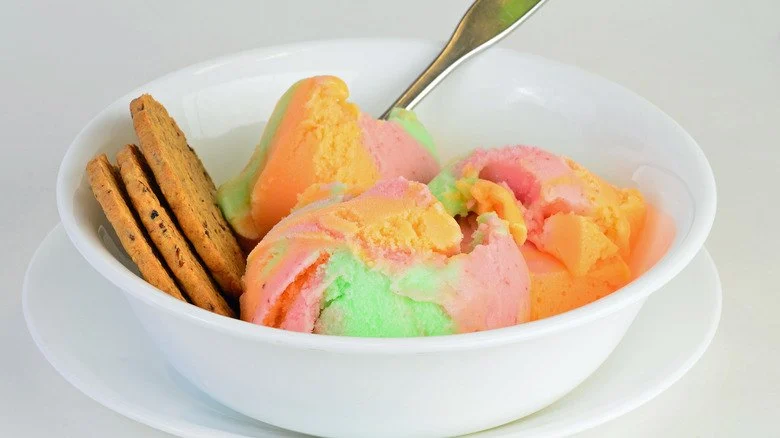
Understanding Frozen Desserts and Their Role in Modern Diets
The conversation around ice cream and health often swings between two extremes—either it is treated as an indulgent guilty pleasure or dismissed entirely as unhealthy. The reality, however, is far more nuanced. Frozen desserts like ice cream are deeply embedded in cultural habits across the United States, often associated with celebrations, comfort, and shared experiences.
Rather than labeling ice cream as simply “good” or “bad,” it is more useful to understand how it fits into a balanced lifestyle. The key lies in portion size, ingredient quality, and frequency of consumption. Like many foods, ice cream can have both nutritional and emotional value when enjoyed mindfully.
In this discussion, we will explore the nutritional components, psychological effects, and practical ways frozen desserts can be part of a healthy routine without compromising overall wellness.

Marita's Homemade Ice Cream / maritas ice cream menu
Sea Isle CityCape May CountyNew Jersey
5912 Landis Ave, Sea Isle City, NJ 08243, USA
What Ice Cream Actually Contains and How It Affects the Body
To understand the relationship between frozen desserts benefits and health, it is important to break down what ice cream is made of. Traditional ice cream typically contains milk, cream, sugar, and flavorings. Some varieties also include eggs or stabilizers, depending on the recipe.
From a nutritional standpoint, ice cream provides calcium, protein, and fat. Calcium supports bone health, while protein contributes to muscle maintenance. However, it is also high in sugar and saturated fat, which is why moderation is essential.
A common misconception is that all frozen desserts are nutritionally identical. In reality, there is a wide range of products—from premium dairy-based ice cream to low-fat or plant-based alternatives. Each type has a different nutritional profile, which affects how it interacts with the body.
For example, a standard serving of vanilla ice cream may contain around 150–250 calories depending on the brand. While this is not inherently harmful, regular overconsumption can contribute to weight gain or blood sugar spikes if not balanced with physical activity.
Understanding these details helps consumers make informed decisions rather than relying on general assumptions about whether ice cream is healthy or not.

Carvel / carvel thornwood
ThornwoodWestchester CountyNew York
650 Columbus Ave, Thornwood, NY 10594, USA
How Ice Cream Impacts Mood and Emotional Well-Being
One of the most overlooked aspects of ice cream and health is its psychological impact. Ice cream is widely recognized as a comfort food, often associated with positive emotions and nostalgia.
There is a scientific explanation behind this. Sugar and fat can stimulate dopamine release in the brain, which contributes to feelings of pleasure and satisfaction. This does not mean ice cream is addictive in a clinical sense, but it does explain why people often turn to it during stressful or emotional moments.
A relatable example comes from a college student in California who described how eating ice cream after exams became a personal tradition. It was not about nutrition alone, but about marking the end of stress and rewarding effort. Over time, this small ritual became associated with motivation and emotional balance.
In moderation, these emotional benefits can actually support mental well-being. However, relying on food as the primary coping mechanism for stress is not recommended. Instead, ice cream can be part of a broader set of positive habits that include exercise, social connection, and rest.
Balancing Nutrition and Enjoyment in Frozen Desserts
When discussing nutrition in ice cream, balance is the most important concept. Eliminating enjoyable foods entirely is often unsustainable, while excessive consumption can lead to health concerns. The middle ground is where long-term wellness exists.
One practical approach is portion awareness. Instead of consuming large servings, smaller portions can provide satisfaction without excessive calorie intake. Many people find that a single scoop is enough to satisfy cravings when eaten slowly and mindfully.
Another strategy involves timing. Ice cream can be enjoyed after meals rather than on an empty stomach, which helps stabilize blood sugar levels and reduces the likelihood of overeating.
Ingredient quality also plays a role. Products made with natural ingredients, lower added sugars, or alternative dairy bases may offer slightly better nutritional balance. However, the goal is not perfection, but consistency in moderation.
For those exploring high-quality frozen dessert options and seeking guidance on better ingredient choices, platforms like
Real-Life Experiences with Ice Cream Consumption and Lifestyle Balance
Across different households, ice cream plays a unique role in everyday life. It is often tied to traditions, celebrations, and even emotional milestones.
One family in New York shared how ice cream became a weekly bonding activity. Every Sunday evening, they would choose different flavors and sit together discussing their week. Over time, this routine became less about dessert and more about connection.
In another case, a fitness enthusiast in Texas initially avoided all frozen desserts due to strict dietary goals. However, after consulting a nutrition coach, they reintroduced occasional ice cream servings into their diet. Surprisingly, this flexibility improved adherence to their overall eating plan because it reduced feelings of restriction.
These stories highlight an important insight: health is not defined by eliminating certain foods, but by understanding how they fit into a broader lifestyle.
There was also a widely discussed online health trend where individuals experimented with “balanced indulgence,” allowing themselves small treats like ice cream while maintaining structured meal plans. Many participants reported improved satisfaction and reduced binge-eating tendencies.
How Frozen Desserts Fit Into a Long-Term Healthy Lifestyle
When evaluating frozen desserts benefits, it is essential to consider long-term habits rather than isolated moments. A single serving of ice cream does not determine health outcomes. Instead, overall dietary patterns and lifestyle behaviors matter far more.
Regular physical activity, balanced nutrition, and adequate hydration all play larger roles in health than occasional dessert consumption. Ice cream, when consumed thoughtfully, can exist within this framework without negative impact.
It is also worth noting that restricting favorite foods too strictly can sometimes lead to the opposite effect—cravings and overconsumption. Allowing flexibility often leads to more stable eating patterns over time.
From a psychological perspective, enjoyment is an important part of sustainable health habits. Food is not only fuel; it is also culture, memory, and experience. Ice cream sits at the intersection of all three.
Rethinking the Relationship Between Ice Cream and Wellness
Instead of asking whether ice cream is “good” or “bad,” a more useful question is how it fits into individual lifestyle choices. The answer varies depending on health goals, activity levels, and personal preferences.
For some, ice cream may be a rare indulgence. For others, it may be a regular but controlled part of their diet. Both approaches can be valid when supported by balance and awareness.
Ultimately, the discussion around ice cream and health is not about restriction, but about understanding. When people are informed about nutrition and mindful about consumption, frozen desserts can be enjoyed without guilt and without compromising overall well-being.
What matters most is not eliminating enjoyment from food, but learning how to integrate it into a sustainable and satisfying lifestyle that supports both physical and emotional health.


 La Michoacana Premier #54.0 (6 reviews)
 Twisted Twins5.0 (81 reviews)
 Belts' Soft Serve4.0 (1267 reviews)
 Cold Stone Creamery4.0 (267 reviews)
 La CoQueta Michoacana Y Dulceria4.0 (46 reviews)
 La Michoacanita Ice Cream4.0 (19 reviews)
 Best Ice Cream Shops in Mackinac Island for Michigan Fudge Swirls
 Ice Cream and Travel: How to Plan a Dessert-Focused Vacation for Sweet Lovers
 Best Ice Cream Shops in San Diego for California Avocado Swirls
 Best Ice Cream Shops in Niagara Falls for New York State Wine Ice Cream
 How to Make Ice Cream with Jujube for a Chinese Date Flavor
 The Ultimate Guide to Ice Cream Flavor Pairings for U.S. Dessert Lovers