

- 1-Understanding Overrun in Ice Cream
- 2-The Science of Air and Ice Cream Texture
- 3-Factors Influencing Ice Cream Overrun
- 4-Real-World Examples and Cases
- 5-Enjoying and Selecting Perfect Ice Cream
1. Understanding Overrun in Ice Cream
Overrun is a key concept in ice cream making, referring to the amount of air incorporated into the ice cream during churning. It is expressed as a percentage: for example, 50% overrun means that the volume of ice cream has increased by half due to the trapped air. Overrun plays a crucial role in determining the texture, density, and mouthfeel of the final product.
High overrun produces lighter, fluffier ice cream, often preferred in soft-serve varieties, while low overrun results in denser, creamier textures commonly found in premium ice cream. Understanding overrun allows ice cream makers to control the sensory experience and balance between richness and lightness.
2. The Science of Air and Ice Cream Texture
Air is not just a filler; it fundamentally affects ice cream texture and perception. When air is whipped into a frozen mixture:
- Ice Crystal Formation: Air helps reduce the size of ice crystals, preventing large, crunchy crystals that feel icy.
- Creaminess: Properly incorporated air improves smoothness, giving ice cream a luxurious mouthfeel.
- Flavor Release: The aerated structure allows flavors to spread more evenly across the palate, enhancing taste perception.
Essentially, air transforms ice cream from a solid frozen block into a soft, melt-in-your-mouth dessert. This is why the science of overrun is so crucial for both home enthusiasts and professional ice cream shops.
3. Factors Influencing Ice Cream Overrun
Several elements impact the level of overrun and the final texture of ice cream:
- Mix Composition: Fat content, sugar, and stabilizers affect how well air is held within the mixture.
- Churning Speed: Faster churning incorporates more air but can lead to less stable foam if overdone.
- Temperature: Ice cream must be frozen at the right temperature to trap air effectively; too cold can prevent proper aeration.
Balancing these factors ensures that ice cream achieves the ideal combination of fluffiness, creaminess, and stability. For instance, artisanal ice cream makers at Ice Cream Shop carefully adjust these variables to deliver consistent quality in every batch.
4. Real-World Examples and Cases
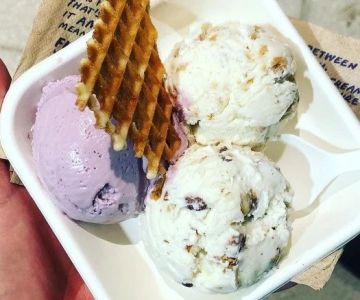
A notable example is the production of premium gelato versus commercial soft-serve. Gelato usually has 20-30% overrun, resulting in a dense, rich texture, while soft-serve can have 50-60% overrun, making it lighter and airier. A viral video from 2022 showed a small Southern ice cream parlor using hand-cranked churners to create perfectly aerated butter pecan ice cream, illustrating the skill required to manage overrun manually.
These real-world cases demonstrate that mastering the role of air is both an art and a science. Customers notice the difference immediately, from the first scoop to the final melt on the tongue.
5. Enjoying and Selecting Perfect Ice Cream
When enjoying ice cream, consider its texture and density. Denser ice cream often feels more indulgent, while higher-overrun ice cream is lighter and perfect for larger servings. Visiting a trusted place like Ice Cream Shop ensures that each scoop balances overrun and flavor perfectly. They offer options crafted with science in mind, guaranteeing smooth, flavorful, and visually appealing ice cream.
Understanding overrun and the role of air helps consumers appreciate the craftsmanship behind every pint, making ice cream tasting a richer, more informed experience.




 Sundae's Ice Cream Parlor4.0 (90 reviews)
 The Salty Scoop4.0 (19 reviews)
 Creamery4.0 (88 reviews)
 Van Leeuwen Ice Cream4.0 (136 reviews)
 Graeter's Ice Cream4.0 (242 reviews)
 Baskin-Robbins4.0 (22 reviews)
 Best Ice Cream Shops in Mackinac Island for Michigan Fudge Swirls
 How to Make Ice Cream That’s Both Creamy and Healthy at Home
 Best Ice Cream Shops in Oahu for Hawaii Shave Ice Legacy
 How to Make Ice Cream with Maca Root for an Energy-Boosting Dessert
 How to Make Delicious Sorbet at Home: Easy Step-by-Step Guide
 Ice Cream and Puzzles: How Ice Cream Themes Appear in Games