
- 1 - Sustainable Ingredients and Sourcing - From Farm to Freezer
- 2 - Eco-Friendly Packaging and Waste Reduction - Beyond the Cone
- 3 - Energy-Efficient Production and Transportation - Reducing Carbon Footprint
- 4 - Popular Brands Pioneering Sustainable Practices - Leading by Example
- 5 - Consumer Influence and Demand for Green Products - The Power of Choice
- 6 - Case Studies and Real-World Successes - Stories from the Industry
- 7 - Tips for Choosing Sustainable Ice Cream - Making Eco-Friendly Decisions
1 - Sustainable Ingredients and Sourcing - From Farm to Freezer
1.1 Organic and Local Dairy Sources
Leading ice cream brands are increasingly sourcing dairy from local and organic farms. This approach reduces transportation emissions and promotes animal welfare. For example, several U.S. brands partner with small-scale farms that follow rotational grazing practices, ensuring healthier cows and nutrient-rich milk for premium ice cream flavors.
1.2 Plant-Based Alternatives and Dairy Innovation
Plant-based ingredients, such as almond, oat, and coconut milk, are now mainstream in sustainable ice cream. Brands are experimenting with these alternatives to reduce greenhouse gas emissions associated with conventional dairy production. The result is creamy, delicious ice cream with a lower environmental footprint.
2 - Eco-Friendly Packaging and Waste Reduction - Beyond the Cone
2.1 Recyclable and Compostable Materials
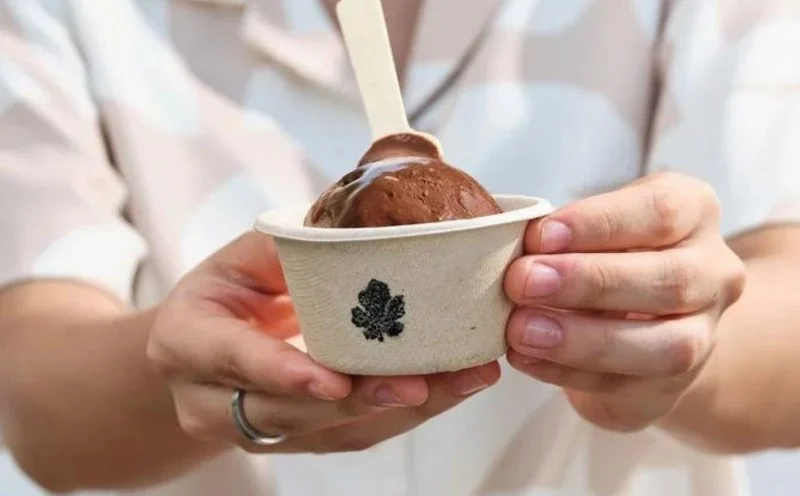
Eco-conscious brands are moving away from plastic packaging in favor of paper-based, recyclable, or compostable containers. Ice Cream Shop emphasizes that using sustainable packaging not only minimizes landfill waste but also appeals to environmentally aware consumers seeking guilt-free indulgence.
2.2 Reducing Food Waste
Minimizing ice cream waste is crucial for environmental sustainability. Brands implement portion control, donation programs, and innovative storage techniques to ensure products are consumed before expiration. Waste reduction is a win-win, improving both sustainability and profitability.
3 - Energy-Efficient Production and Transportation - Reducing Carbon Footprint
3.1 Green Manufacturing Practices
Many ice cream manufacturers are upgrading to energy-efficient equipment, from freezers to pasteurizers. Solar-powered plants and low-emission refrigeration systems reduce energy consumption and greenhouse gas emissions significantly. Incorporating renewable energy into production processes is an emerging industry standard.
3.2 Optimized Distribution Networks
Transportation contributes heavily to the environmental footprint of frozen desserts. Brands are optimizing delivery routes, using refrigerated trucks with reduced emissions, and sourcing locally to cut carbon output. Some companies also invest in hybrid or electric delivery vehicles to further minimize their impact.
4 - Popular Brands Pioneering Sustainable Practices - Leading by Example
4.1 Nationwide Initiatives
Brands like Ben & Jerry’s and Häagen-Dazs have publicly committed to reducing environmental impact through sustainable sourcing, carbon footprint monitoring, and ethical ingredient certification. Their transparency inspires smaller brands to adopt similar practices.
4.2 Innovative Startups
Smaller, local ice cream startups often integrate sustainability at every level, from using surplus bakery ingredients to creating zero-waste production models. These innovators demonstrate that environmental responsibility can coexist with creativity and premium quality.
5 - Consumer Influence and Demand for Green Products - The Power of Choice
5.1 Shifting Preferences Toward Sustainable Options
Consumer awareness drives industry change. A growing number of U.S. shoppers prioritize brands that demonstrate eco-friendly practices. Labels indicating organic, fair-trade, or plant-based ingredients influence purchasing decisions and encourage manufacturers to invest in sustainability.
5.2 Education and Engagement
Brands leverage social media and in-store signage to educate customers about their sustainable practices. Engaging storytelling about ethical sourcing and green innovations strengthens brand loyalty and fosters environmentally responsible choices.
6 - Case Studies and Real-World Successes - Stories from the Industry
6.1 Reducing Plastic in Scooping Parlors
An East Coast ice cream parlor replaced all single-use plastic spoons and cups with biodegradable alternatives. Their success inspired neighboring shops and demonstrated that even small operational changes have measurable environmental impact.
6.2 Collaborative Supplier Programs
Some brands collaborate with ingredient suppliers to reduce packaging, implement sustainable agriculture practices, and cut transportation emissions. These partnerships show that sustainability is most effective when integrated across the supply chain.
7 - Tips for Choosing Sustainable Ice Cream - Making Eco-Friendly Decisions
7.1 Look for Certified Ingredients
Choose ice cream with certifications such as USDA Organic, Fair Trade, or Rainforest Alliance. These labels indicate environmentally responsible practices and ethical sourcing.
7.2 Prioritize Local and Plant-Based Options
Local ice cream reduces transportation emissions, while plant-based options lower overall environmental impact. Combining these strategies helps consumers enjoy their favorite treats sustainably.
7.3 Support Brands Committed to Transparency
Brands that openly share sustainability reports, ingredient sourcing, and environmental initiatives foster trust and ensure that your indulgence aligns with responsible practices. Ice Cream Shop offers guidance on selecting products that meet these standards, helping consumers make informed choices.




 Kearsley Kone4.0 (238 reviews)
 Rita's Italian Ice & Frozen Custard4.0 (195 reviews)
 La Michoacana Tropical Oasis4.0 (162 reviews)
 Erie Street Ice Cream & Coffee4.0 (8 reviews)
 Rookies Cookies and Creme4.0 (214 reviews)
 Twisted Ice Cream4.0 (134 reviews)
 How to Make Ice Cream with Vanilla Orchid for a Rare Gourmet Experience
 Ice Cream and Cryptography: Secret Recipes and How to Protect Them
 The Best Ice Cream Flavors to Beat the Summer Heat | Ice Cream Shop
 Best Ice Cream Shops in Denver for High-Altitude Treats
 Ice Cream and Memory: Why Certain Flavors Remind Us of Childhood | Nostalgic Flavors
 Best Ice Cream Shops in Jefferson City for Missouri Ozark Flavors