
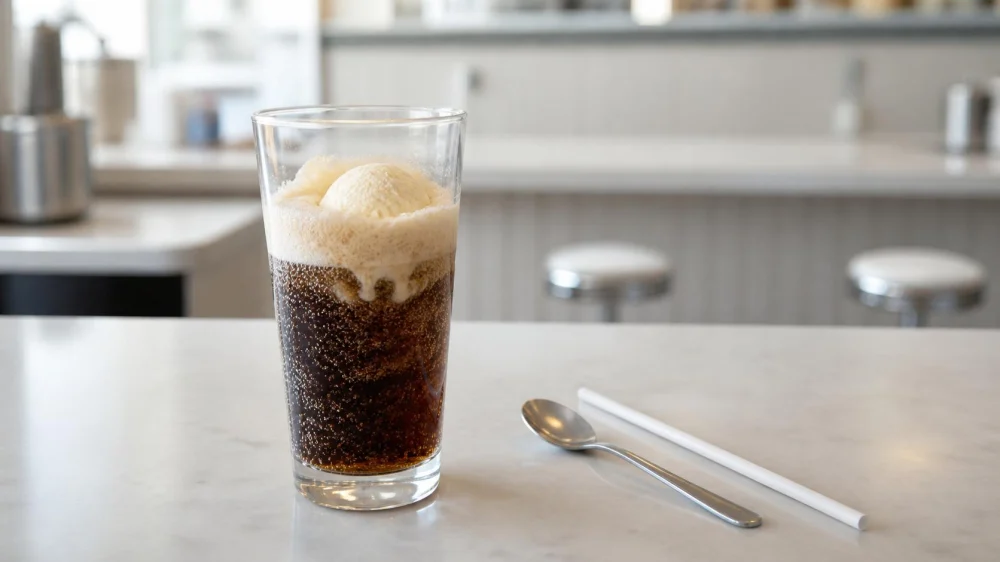
Ice Cream Float Guide: Soda, Scoops, Foam, and Timing
On this page
Quick answer
An ice cream float combines a carbonated drink and frozen dessert, creating cold layers, foam, and a texture that changes quickly. Choose the soda first, then match a complementary scoop and sensible portion. Confirm dairy, egg, caffeine, sweetener, and cross-contact details, leave room for foaming, and eat or drink it promptly rather than planning a long takeaway trip.
Abe's Old Fashioned Frozen Custard / abe's old fashioned frozen custard
New WilmingtonLawrence CountyPennsylvania
936 PA-18, New Wilmington, PA 16142, USA
Why a float changes after it is assembled
Carbon dioxide escapes when soda meets the rough, cold surface of a scoop, producing foam while the frozen dessert melts and the drink loses carbonation. Fat, stabilisers, temperature, scoop size, glass shape, and pouring order change the result. A float is therefore a timed dessert, not a stable packaged drink.
This guide is for customers ordering floats at ice cream shops in the United States. It does not establish one correct recipe or nutrition profile. Soda brands, frozen bases, serving sizes, caffeine, allergens, sweeteners, and preparation practices differ by shop.
Handel’s Homemade Ice Cream / ice cream downingtown pa
DowningtownChester CountyPennsylvania
520 E Lancaster Ave Suite 104, Downingtown, PA 19335, USA
Practical checklist
- The soda style and flavour: root beer, cola, fruit soda, cream soda, coffee soda, or another carbonated option.
- The frozen component: dairy ice cream, gelato, sorbet, plant-based dessert, or a shop-specific product.
- Flavour balance, including sweetness, acidity, bitterness, spice, vanilla, chocolate, fruit, coffee, or caramel notes.
- Cup capacity, number and size of scoops, foam space, straw and spoon, and whether toppings make the portion difficult to manage.
- Dairy, egg, nuts, gluten, soy, caffeine, colourings, sweeteners, alcohol, and shared scoop or fountain cross-contact.
- Dine-in or takeaway timing, outdoor temperature, lid design, spill risk, and whether the cup fits a stable carrier.
- The complete price and whether soda refills, extra scoops, toppings, or substitutions change it.
Step-by-step plan
- Start with the soda's dominant flavour and sweetness. Choose a scoop that complements or deliberately contrasts it rather than adding several competing flavours.
- Ask how many scoops and what cup size the standard float uses. Reduce the portion before assembly if a large amount of soda or ice cream is not wanted.
- Confirm ingredients and allergy controls for both components, the fountain, scoop, cup garnish, and any topping.
- Let staff assemble it with enough empty cup space. Do not request an overfilled cup that is likely to foam onto hands, counters, or clothing.
- Taste the soda and melting edge, then use the spoon for the scoop and straw for the liquid. Stir gradually only if a blended texture is preferred.
- Enjoy it promptly. Foam settles, carbonation fades, and the scoop melts; waiting does not preserve the intended contrast.
- For takeaway, keep the cup upright in a stable carrier and expect texture change. Do not refreeze a partially melted mixed float for later service.
To repeat a successful order, note the soda, frozen flavour, scoop count, cup size, toppings, sweetness, foam, and how quickly it melted. Verify ingredients again on a later visit because recipes and fountain products can change.
Limits and important notes
A float can contain substantial sugar, caffeine, dairy, or other ingredients even when one component seems simple. Diet soda does not make every added scoop suitable for a person's needs. Plant-based frozen desserts are not automatically free of all allergens. Carbonation and cold temperature may also be uncomfortable for some people.
Tell staff about serious allergies before ordering and ask about both ingredients and shared equipment. Choose another item if the shop cannot answer a critical question. Seek emergency help for breathing difficulty, throat tightness, faintness, or rapidly spreading swelling or hives after eating or drinking.
Frequently asked questions
Why does a float foam so much?
Carbonation escapes rapidly where soda contacts the frozen dessert. Temperature, surface texture, recipe, and pouring order affect the foam.
What flavour is easiest for a first float?
Vanilla with a familiar soda is easy to understand, but choose the flavour profile you actually enjoy and confirm ingredients.
Can a float be dairy-free?
It can when both frozen dessert and other components meet that requirement, but verify recipes and cross-contact.
Should the soda or scoop go in first?
Methods differ and change foaming and layering. Let the shop use its normal safe assembly method.
Does a float travel well?
Usually not for long. Melting, foam, carbonation loss, and spill risk make prompt dine-in service the better fit.
Sources and evidence
Use the shop's current menu, ingredient, allergen, caffeine, portion, and takeaway information. General food-science principles explain carbonation, melting, and foam, but the shop's actual soda, frozen dessert, and assembly determine the result.
Conclusion and next steps
Choose one soda and one scoop with a clear flavour plan, confirm the complete portion and ingredients, and leave space for foam. A float is best when served and enjoyed promptly. If travel, allergies, or portion control are the priority, a separate sealed drink and frozen dessert may be easier to manage.

 The Scoop4.0 (74 reviews)
 The Ice Cream Shoppe4.0 (1 reviews)
 Goose's Trailside Treats5.0 (4 reviews)
 Baskin-Robbins3.0 (57 reviews)
 Baskin-Robbins3.0 (38 reviews)
 Rehak's Snowball Stand4.0 (36 reviews)
 Ice Cream Making 101: How to Create the Perfect Ice Cream Flavor
 Exploring Ice Cream Innovations: Liquid Nitrogen Ice Cream Trends in the U.S.
 Best Ice Cream Shops in Denver for Rocky Mountain High Attitudes
 How to Make Ice Cream with Soy Milk for a Protein Boost
 How to Make Ice Cream with Mangosteen for a Tropical Supreme Flavor
 Best Ice Cream Shops in Newport for Oregon Coast Aquarium Themes