
- 1- Introduction to Ice Cream Innovation
- 2- New Freezing Technologies in Ice Cream Production
- 3- How New Freezing Methods Impact Ice Cream Flavors
- 4- Sustainability and Energy Efficiency in Ice Cream Manufacturing
- 5- The Future of Ice Cream: Trends and Innovations
1- Introduction to Ice Cream Innovation
Ice cream has been a beloved treat for centuries, and over time, the methods of making this indulgent dessert have evolved significantly. From the traditional churning process to the introduction of new technologies, ice cream makers have been continually looking for innovative ways to enhance both the texture and flavor of their products. In recent years, advances in freezing technologies have revolutionized the way ice cream is produced, leading to smoother textures, more vibrant flavors, and better preservation of quality.
In this article, we’ll explore the most recent innovations in ice cream production, focusing on new freezing methods and their impact on the final product. These innovations not only improve the sensory experience but also make ice cream production more efficient and sustainable. Whether you’re a producer or a fan of this frozen dessert, understanding these developments is crucial to appreciating the next generation of ice cream.
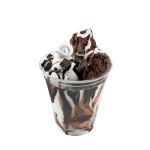
Dairy Queen (Treat) / dairy queen kenmore ave
261 Kenmore Ave, Buffalo, NY 14223, USA
2- New Freezing Technologies in Ice Cream Production
One of the most significant advancements in ice cream production is the improvement of freezing techniques. Traditional ice cream makers rely on slow freezing methods that often create larger ice crystals, resulting in a less smooth texture. However, new technologies such as liquid nitrogen freezing and scraped-surface heat exchangers have allowed ice cream manufacturers to freeze their mixtures at much faster rates, which prevents the formation of large ice crystals.
Liquid Nitrogen Freezing is particularly exciting as it freezes the ice cream base almost instantaneously, creating a velvety smooth texture. This method not only improves the mouthfeel but also helps preserve the fresh flavors and delicate ingredients, which is a challenge with slower freezing processes. With nitrogen's ultra-cold temperature, manufacturers can also experiment with new flavor combinations and ingredients that wouldn’t survive the typical freezing process.
Scraped-Surface Heat Exchangers have become popular in commercial production because they enable continuous freezing and scraping of the ice cream as it forms, ensuring that smaller ice crystals are produced and resulting in a smoother product. This technology is particularly beneficial for producing larger batches of ice cream without compromising quality, making it easier to scale up production while maintaining a premium texture.
Cold Stone Creamery / cold stone owensboro ky
OwensboroDaviess CountyKentucky
5140 Frederica St, Owensboro, KY 42301, USA
3- How New Freezing Methods Impact Ice Cream Flavors
One of the most exciting aspects of new freezing technologies is their ability to preserve and enhance the flavor profiles of ice cream. Traditional freezing methods, while effective, can sometimes mute or alter delicate flavors. However, with rapid freezing techniques like liquid nitrogen, the ice cream retains a fresh, vibrant taste, and ingredients like fruit or herbs can shine through more clearly.
For example, when freezing a fruit-based ice cream, rapid freezing helps prevent the breakdown of volatile compounds responsible for the fresh, zesty taste of the fruit. Similarly, more delicate flavors like vanilla and chocolate benefit from the ability to preserve the aromatic compounds, ensuring a more pronounced flavor in the finished product. The advancements in freezing technologies have opened the door for more experimentation with flavors, allowing manufacturers to push the boundaries of what’s possible in ice cream innovation.
4- Sustainability and Energy Efficiency in Ice Cream Manufacturing
As consumers become more conscious of environmental impacts, sustainability has become a central focus in the food industry, and ice cream is no exception. New freezing technologies not only enhance product quality but also contribute to energy efficiency and waste reduction in production processes.
One of the major advantages of rapid freezing methods is their ability to reduce energy consumption. For example, liquid nitrogen is produced in bulk and stored, reducing the need for constant refrigeration, which can be an energy-intensive process. Moreover, modern ice cream makers are investing in green energy sources and environmentally-friendly packaging to further reduce their carbon footprints.
Additionally, innovations in freezing technologies can help extend the shelf life of ice cream, reducing food waste. As manufacturers are able to freeze products more efficiently and preserve their freshness, they can minimize the amount of product that goes unsold or discarded. Sustainability in ice cream production is not just about making better products; it's about ensuring that the processes are as eco-friendly as possible.
5- The Future of Ice Cream: Trends and Innovations
Looking ahead, the future of ice cream production promises even more exciting innovations. As new technologies continue to emerge, the ice cream industry is likely to see further advancements in texture, flavor, and production efficiency. For example, we may see more personalized ice cream experiences, where consumers can customize flavors and ingredients to their exact preferences using advanced freezing methods.
Another trend is the growing popularity of plant-based and dairy-free ice creams. With the help of new freezing technologies, these alternatives can now offer textures and flavors that rival traditional dairy ice creams, expanding the market to cater to vegan, lactose-intolerant, and health-conscious consumers.
In addition, we can expect to see even more collaboration between ice cream makers and technology developers. As machine learning and artificial intelligence continue to shape food production, we may witness new innovations that allow for even more precise control over flavor development, texture optimization, and customer satisfaction.




 Dairy Queen (Treat)4.0 (176 reviews)
 Pecs Perk4.0 (11 reviews)
 Cajun Sno-Balls, LLC4.0 (20 reviews)
 Scoops - Cheboygan4.0 (124 reviews)
 Papa's Treat Shoppe5.0 (90 reviews)
 Baskin-Robbins2.0 (16 reviews)
 Best Ice Cream Shops in Sedona for Arizona Red Rock Inspired Colors
 How to Make Low-Calorie Ice Cream at Home: Healthy and Delicious Recipes
 Why Ice Cream is the Perfect Dessert for Your Next Party
 Best Ice Cream Shops in Des Moines: Where to Find Iowa Corn Sweetness
 What Is Brownie Batter Ice Cream and How to Ensure Food Safety
 What Is Cheesecake Ice Cream and How to Add Cream Cheese Smoothly