
Ice Cream Nutrition Facts: Comparing Calories, Sugar, and Fat
- 1- Ice Cream Nutrition Overview
- 2- Calories in Ice Cream: What You Need to Know
- 3- Sugar Content in Ice Cream: Is it Too Sweet?
- 4- Fat Content in Ice Cream: The Good and the Bad
- 5- Comparing Different Types of Ice Cream
- 6- Real-Life Example: Making Healthier Ice Cream Choices
- 7- Conclusion
1- Ice Cream Nutrition Overview
Ice cream is a beloved treat enjoyed by people of all ages, but when it comes to its nutritional value, many wonder: how does this indulgent dessert stack up against other food options? Ice cream contains key nutrients such as protein, calcium, and vitamins, but it’s also known for being high in calories, sugar, and fat. Understanding the nutritional breakdown of ice cream can help you make informed decisions about your diet while still enjoying a sweet treat.

Hunters' Dairy Freez / hunters dairy freez
DanvilleMontour CountyPennsylvania
1736 Montour Blvd #9117, Danville, PA 17821, USA
2- Calories in Ice Cream: What You Need to Know
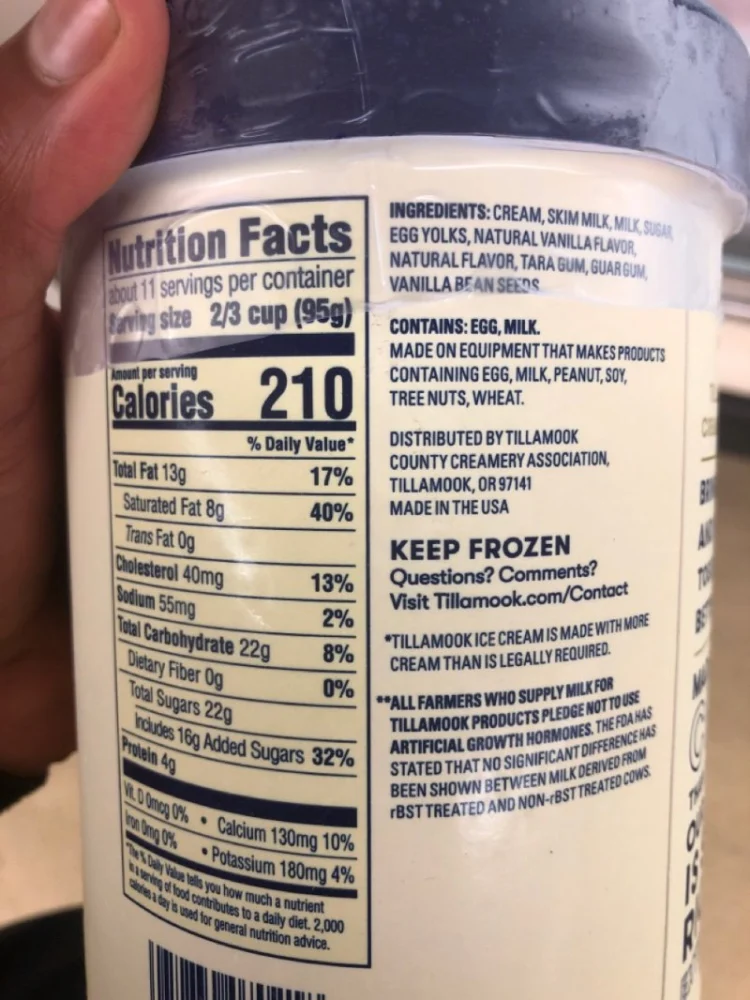
Calories are one of the main concerns when it comes to ice cream. A typical serving of traditional ice cream, about 1/2 cup, can range from 150 to 250 calories depending on the flavor and brand. The calorie count can vary significantly based on ingredients like chocolate, caramel, or nuts. For those who are watching their calorie intake, it's important to be mindful of portion sizes, as it’s easy to consume more than you intend when indulging in ice cream.
For example, a scoop of vanilla ice cream has roughly 200 calories, while a scoop of chocolate chip cookie dough can have over 250 calories. Low-fat and non-fat versions tend to have fewer calories, but they may contain artificial sweeteners to replace sugar, which can have other health implications. Understanding the calorie content in different varieties of ice cream can help you make smarter choices if you're concerned about calorie consumption.

Marita's Homemade Ice Cream / maritas ice cream menu
Sea Isle CityCape May CountyNew Jersey
5912 Landis Ave, Sea Isle City, NJ 08243, USA
3- Sugar Content in Ice Cream: Is it Too Sweet?
Sugar is another key nutritional element in ice cream. A typical serving can contain anywhere from 14 to 20 grams of sugar, depending on the flavor and how much added sweetness it contains. For those monitoring their sugar intake, it’s essential to be aware that this amount of sugar is significant, as the recommended daily limit for sugar consumption for an adult is about 25-36 grams, depending on the source.
Many ice cream brands use high fructose corn syrup or other sweeteners to achieve that rich, sweet flavor, which can contribute to the sugar content. Opting for ice cream made with natural sweeteners or fruit can be a healthier choice. Alternatively, there are low-sugar and sugar-free ice cream options available that can satisfy your cravings without the sugar overload. However, some of these alternatives may still use sugar alcohols, which can affect digestion in some people.
4- Fat Content in Ice Cream: The Good and the Bad
The fat content in ice cream is another consideration when evaluating its nutritional value. Full-fat ice cream typically contains around 10 to 15 grams of fat per serving, with a significant portion of that being saturated fat. Saturated fats have been linked to increased levels of LDL (bad cholesterol), which can raise the risk of heart disease if consumed in excess.
However, fat plays an important role in flavor and texture, and some studies suggest that moderate consumption of healthy fats can be beneficial. If you’re concerned about the fat content, you may want to opt for lower-fat or non-dairy ice cream alternatives. For example, coconut milk-based ice creams often contain fats that are considered healthier options, though they are still high in calories. As with all indulgent foods, moderation is key.
5- Comparing Different Types of Ice Cream
Not all ice creams are created equal when it comes to their nutritional profiles. Here’s a breakdown of some of the most popular types of ice cream:
- Traditional Ice Cream: Made with cream, milk, sugar, and flavorings. High in calories, sugar, and fat.
- Frozen Yogurt: Lower in fat but may still contain high sugar levels. Offers probiotics that benefit digestive health.
- Non-Dairy Ice Cream: Made with plant-based milks like almond, soy, or coconut. Lower in saturated fat but can be high in sugar.
- Low-Fat Ice Cream: Contains less fat but may have added sugars or artificial sweeteners to compensate for flavor.
- Sugar-Free Ice Cream: Contains little to no sugar, but may use sugar alcohols or artificial sweeteners, which can affect digestion.
Choosing the right type of ice cream comes down to your personal dietary goals and preferences. Whether you're looking to reduce sugar intake or avoid dairy, there’s an option for everyone.
6- Real-Life Example: Making Healthier Ice Cream Choices
Take the example of Emma, who loves indulging in ice cream but has recently been focused on maintaining a balanced diet. She found that switching to non-dairy ice cream made from almond milk helped her cut down on saturated fat, while still satisfying her sweet tooth. By choosing options with lower sugar content and watching her portion sizes, Emma was able to enjoy her favorite treat without compromising her health goals.
This example highlights the importance of making mindful choices. With a little awareness, you can enjoy ice cream in moderation without overloading on calories, sugar, or fat.
7- Conclusion
Ice cream is a delicious treat, but it’s important to understand its nutritional content, especially when it comes to calories, sugar, and fat. By being mindful of the type of ice cream you choose and watching your portions, you can continue to enjoy this dessert while maintaining a balanced diet. Whether you opt for low-fat, non-dairy, or traditional ice cream, it’s all about moderation and making the right choices for your health.
If you're looking for the best ice cream options, visit Ice Cream Shop for a wide variety of flavors and healthier alternatives that suit your dietary needs.





 The Cider Shack5.0 (1 reviews)
 Pitango Gelato & Coffee, Fells Point4.0 (1021 reviews)
 Mister Softee Ice Cream4.0 (368 reviews)
 Cold Stone Creamery4.0 (250 reviews)
 1-900-ICE-CREAM4.0 (336 reviews)
 Rita's Italian Ice & Frozen Custard4.0 (134 reviews)
 The Rise of Plant-Based Ice Cream: Why It's So Popular in America
 Ice Cream Shop Secrets: How to Build a Great Ice Cream Parlor
 Ice Cream Pairings: What Goes Best with Your Favorite Flavors
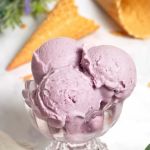 How to Make Ice Cream with Maca Root for an Energy-Boosting Dessert
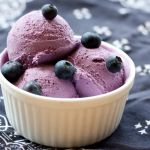 How to Make Ice Cream with Blueberries for an Antioxidant Treat
 What Is Maple Bacon Ice Cream and How to Cook the Bacon for Topping | Ice Cream Shop