
1. Importance of Air in Ice Cream
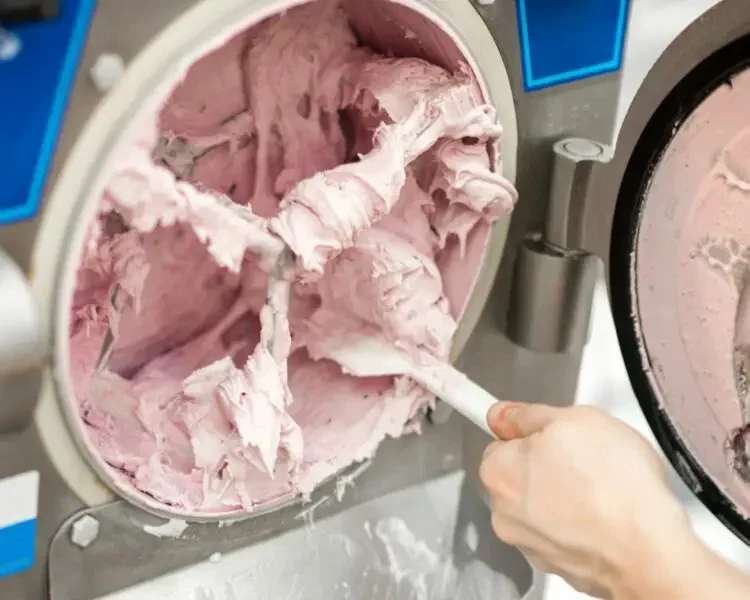
When we enjoy a scoop of ice cream, few think about the invisible hero behind its creamy texture: air. Air is not just empty space—it plays a critical role in determining how light, smooth, and palatable the ice cream feels in your mouth. In ice cream production, the term “overrun” refers to the amount of air incorporated into the mixture, usually expressed as a percentage of the final volume. Without the right amount of air, ice cream can become dense and hard, making it less enjoyable.
The balance of air and ice crystals directly affects the mouthfeel. Too little air results in a heavy, almost icy product, while too much air can make it foamy and fragile. Understanding this delicate balance is essential for both commercial manufacturers and home enthusiasts who want to achieve that perfect creamy consistency.
2. Overrun and Its Impact on Texture
Overrun is more than just a technical term—it's a practical measure of ice cream’s personality. For example, premium ice creams typically have a lower overrun of 20-50%, making them denser and richer. Mass-market brands often reach 100% or higher, doubling the original volume with air, which reduces production costs but changes the sensory experience.
This variation in overrun explains why two vanilla ice creams can taste dramatically different even if the ingredients are similar. The science behind it is straightforward: the more air incorporated, the softer and lighter the texture, while less air yields a dense, indulgent bite. Ice cream aficionados often use overrun as a guide to judge quality and creaminess.
3. Scientific Principles Behind Air Incorporation
Incorporating air into ice cream involves both mechanical and chemical principles. During churning, tiny air bubbles are trapped in the mixture. Stabilizers and emulsifiers, such as guar gum or lecithin, help maintain these bubbles, preventing them from collapsing. Additionally, the fat content influences how air is held—higher fat allows for smaller, more stable bubbles, which produce a smoother texture.
Temperature also plays a crucial role. The freezing point of the mixture must be carefully managed; too fast, and ice crystals grow large, creating a grainy feel. Controlled freezing ensures air bubbles remain evenly distributed, giving a velvety mouthfeel that consumers associate with high-quality ice cream.
4. Real-Life Examples and Tasting Insights
Consider the viral trend of “ultra-creamy homemade ice cream” shared on social media platforms. Enthusiasts often report that adjusting churning speed and freezing temperature can dramatically change the texture. At Ice Cream Shop, we observed that small tweaks in overrun during our artisanal batches lead to noticeable differences in creaminess and flavor release, confirming that air is a subtle but powerful ingredient.
Another case involves comparing store-bought ice creams. Premium brands with lower overrun typically melt slower and feel richer, while high-overrun brands deliver a lighter, almost aerated sensation. Tasting side by side highlights how air manipulates both flavor perception and indulgence.
5. Tips for Achieving Perfect Ice Cream at Home
For those experimenting at home, here are some practical tips:
- Churn steadily: Rapid churning traps too much air; slow, consistent churning creates stable, small bubbles.
- Control freezing: Pre-chill your mixture and use a cold container to avoid large ice crystal formation.
- Balance ingredients: Fat, sugar, and stabilizers influence how air integrates into your ice cream.
- Test overrun: For home machines, a rough rule is to aim for 25-50% overrun for a creamy texture.
- Experiment with flavors: Remember that texture enhances flavor release; airier ice creams may need bolder flavors to shine.
For the best ice cream products and expert guidance, Ice Cream Shop offers artisanal options crafted with precise air incorporation and texture control, ensuring a consistently indulgent experience.


 Cold Stone Creamery4.0 (216 reviews)
 Cold Stone Creamery4.0 (487 reviews)
 Flip flop ice cream4.0 (24 reviews)
 Oakie J's Lunchbox4.0 (57 reviews)
 Ben & Jerry's4.0 (210 reviews)
 KOSHER ICE CREAM TRUCK3.0 (19 reviews)
 What Is Turkish Delight Ice Cream and How to Add Rose and Pistachio
 Best Ice Cream Shops in Eureka for California Redwood Forest Inspiration
 Best Ice Cream Shops in St. Louis for Missouri Gooey Butter Cake Scoops
 Best Ice Cream Shops in Boise for Idaho Potato-Inspired Creations
 How to Make Ice Cream with Pomegranate for a Healthy Dessert
 How to Make Ice Cream with Wheatgrass for a Health Food Twist