

Ice Cream Shop Visit With Kids: A Simple Game Plan
On this page
- Quick answer
- Set the plan before you go
- Preview a short menu
- Handle arrival and the queue
- Make the order easy to confirm
- Choose practical portions and containers
- Plan seating, cleanup, and departure
- Adjust the visit by age
- Respond when the plan changes
- One-minute family checklist
- Frequently asked questions
- Next steps
Quick answer
A smoother ice cream shop visit with kids starts before the counter. Preview a few choices, set one clear ordering rule, decide where everyone will wait, and keep the final order simple enough to repeat. Choose practical portions and containers, carry basic cleanup supplies, and have a backup plan for long lines, unavailable flavors, or limited seating.
The goal is not a perfectly controlled outing. It is a short, understandable sequence that gives children useful choices while keeping the queue, payment, eating, and cleanup manageable for the adult.

Lacroix’s Homemade Ice Cream / plainville ice cream
PlainvilleCapitol Planning RegionConnecticut
161 Woodford Ave, Plainville, CT 06062, USA
Set the plan before you go
Start with three decisions: when to visit, what the ordering boundary is, and whether you will eat there or take the order away. A plan such as “one small item per person, one optional topping, and we will eat at the park” is easier to follow than negotiating every detail in front of the display case.
Check the shop’s current official hours and location information. Look for parking, stroller access, restrooms, indoor or outdoor seating, and whether the business is counter service, walk-up service, or drive-through. Photos and reviews can suggest what to expect, but recent information from the shop is more useful for hours and operating details.
Bring only what helps:
- wipes or a damp cloth in a reusable bag;
- water for after the dessert;
- a spare napkin or small towel for the car or stroller;
- any required allergy plan and prescribed medication;
- a small insulated bag only if you plan to carry sealed items home;
- the payment method you intend to use.
Preview a short menu
An ice cream case can offer dozens of flavors, mix-ins, sauces, cones, and sizes. More choices do not always produce a happier decision. Before leaving home, show each child a short list taken from the shop’s current menu: perhaps two familiar flavors and one new option.
Use a simple choice structure appropriate to the child: “Would you like chocolate or strawberry?” or “Choose one flavor, then decide between a cup and a cone.” Older children can compare more options, but a limit still prevents the order from expanding indefinitely.
Explain any family boundary in concrete terms. “Pick anything” followed by several exceptions is confusing. Try one of these:
- one scoop in a cup or cone;
- one flavor plus one topping;
- a fixed spending amount for an older child;
- one shared specialty item for the table;
- a sealed take-home item rather than an eat-now order.
Separate allergy decisions from ordinary preferences
If anyone has a food allergy, check official ingredient information and contact the location before the visit when needed. State the allergy clearly to staff and ask about ingredients and cross-contact. Do not make a child responsible for managing a medical conversation alone, and do not assume that “vegan,” “dairy-free,” or a plain flavor addresses every allergy.

Ice Screamers / ice screamers moosic pa
MoosicLackawanna CountyPennsylvania
3738 Birney Ave, Moosic, PA 18507, USA
Handle arrival and the queue
Pause outside or just inside the entrance. Locate the menu, order point, pickup area, available seating, and exit. Tell children what happens next: “We will look, order together, move to the pickup side, and then find a table.” A visible sequence reduces repeated questions.
In a tight queue, place the adult who will order where the menu and staff are easy to hear. Another adult, when present, can stand with children away from the register until choices are ready. If one adult is managing the visit, keep children beside you and use the short menu already agreed upon.
A long line changes the outing. Decide in advance what “too long” means for your family. The backup might be a sealed item from a grocery store, a different nearby activity, or returning at another time. Leaving a queue is not a failed visit; it is using the backup plan.
Make the order easy to confirm
Collect every choice before speaking to the cashier. Repeat each order in the same pattern: size, flavor, container, then topping. For example, “One small, chocolate, in a cup, with no topping.” This makes it easier for the employee and the adult to catch a missing detail.
When several children are ordering, assign names or positions to the items: “The first cup is for Maya; the cone is for Leo.” Avoid making multiple changes after payment unless something is genuinely wrong. If a child changes their mind while the employee is preparing the order, calmly explain whether the original choice will remain.
Before paying, repeat the total number of items and any important restriction. At pickup, match each cup or cone to the order. Check for an unexpected topping or flavor before handing it to a child. For an allergy order, complete the verification process separately rather than relying on appearance.
Choose practical portions and containers
Choose the smallest serving that fits the occasion when you are unsure. Serving names are not standardized, so look at display cups or ask how many scoops a size includes. A child can enjoy the visit without finishing a large portion.
A cup is often easier for a young child, a slow eater, a hot day, or a car ride. It contains melting edges and allows the spoon to rest. A cone adds texture and eliminates a cup, but it can drip down the hand and may crack if squeezed. The best choice is the one the child can manage in the setting.
Ask for toppings on the side when the shop allows it and when that makes the portion easier to handle. This gives the adult control over how much is added and can keep crunchy items from becoming soggy. It also makes it easier to see what is in the order, though it does not address food-allergy cross-contact.
Plan seating, cleanup, and departure
Find seats before unwrapping spoons or removing lids. Place young children where an adult can reach them, away from doors and busy service paths. Keep strollers and bags out of walkways. Outdoors, choose shade when available and notice wind, insects, traffic, and hot seating surfaces.
Hand out one item at a time after confirming it. Keep napkins within reach rather than waiting for the first spill. A spoon can catch melting ice cream around the edge of a cone. For a cup, return the lid loosely if the child pauses for a moment.
Decide what happens to unfinished food before it becomes a negotiation. An open cup that has been melting at room temperature is not a good candidate for a long trip home. It is fine to stop when the child is satisfied and discard the remainder.
Before leaving, run a quick check: children, phone, wallet, bag, medication, stroller, and trash. Wash hands when appropriate, especially before touching car seats or shared devices.
Adjust the visit by age
Toddlers and preschoolers
Offer two choices, use a cup and spoon when that is easier, and sit down before serving. Keep the visit short. The adult manages the order and handles any food-safety or allergy question.
Early elementary ages
Let the child say a prepared order to the cashier while the adult listens. Teach the four-part pattern: size, flavor, cup or cone, topping. Give one simple cleanup job such as carrying napkins.
Older children and preteens
Use a spending limit or menu category. Let the child compare value, portion, and wait time. They can confirm their order at pickup, but the adult should still oversee medical restrictions and payment.
Mixed-age groups
Do not require identical choices or portions. Give each child a rule suited to their ability while keeping the overall sequence consistent. One child can hold a place at the table with an adult while another helps collect spoons.
Respond when the plan changes
Popular flavors sell out, machines pause for cleaning, weather changes, and seating fills. State the change in one sentence, then offer the prepared alternatives. “Strawberry is sold out; you can choose chocolate or vanilla.” Open-ended renegotiation makes a small problem feel larger.
If the shop makes an incorrect order, keep it with the adult and explain the issue calmly. Do not ask a child to eat something they did not order merely to avoid inconvenience. For a simple preference error, decide whether the available solution is reasonable. For an allergy or other medical restriction, do not remove the unwanted ingredient and serve the same item; follow the verified safety plan.
If a child becomes overwhelmed, move away from the counter when it is safe to do so. Finish payment or request a refund as appropriate, then leave. The family can try again another day with a shorter or takeout-only plan.
One-minute family checklist
- Confirm current hours, service style, and seating.
- Set the item, topping, or spending boundary.
- Preview two or three realistic choices.
- Bring wipes, water, payment, and required medication.
- Agree on a backup for a long line or sold-out flavor.
- Collect everyone’s choice before reaching the register.
- Repeat the number of items before payment.
- Match each item at pickup before handing it over.
- Sit before eating and keep napkins nearby.
- Check the table and belongings before leaving.
Frequently asked questions
Should children choose from the entire menu?
They can, but a short list is often faster and easier. Offer enough choice to make the visit fun while keeping the decision within the family’s time, budget, and dietary boundaries.
Is a cup always better than a cone?
No. A cup is easier to pause and contain, while a cone can be part of the experience and creates less serving waste. Consider the child’s age, eating speed, temperature, and where you will sit.
How many samples should a child request?
Follow the shop’s posted policy and staff guidance. Preview likely flavors first, request only what supports a real choice, and be ready to order without samples when they are unavailable.
What if siblings want to share?
Ask for clean extra cups and spoons, then divide the dessert while seated. Check allergy and dietary needs first, and avoid sharing utensils when that conflicts with a medical plan.
How can one adult manage several children?
Use a short menu, collect choices before entering the line, select cups when they are easier, and choose takeout if seating is uncertain. A backup activity makes leaving a long queue less disappointing.
What if a child refuses the order they chose?
Stay with the family boundary set before the visit. You can save a sealed item when appropriate or end the snack without buying a second order. Avoid turning the counter into a long negotiation.
Next steps
For the next visit, choose one shop and make a four-line plan: when you will go, what each child may choose, where you will eat, and what you will do if the line is too long. Share the sequence before leaving home. The best family routine is short enough to remember and flexible enough to survive a sold-out flavor.




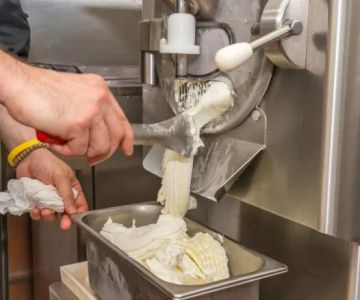

 Graeter's Ice Cream4.0 (313 reviews)
 Baskin-Robbins3.0 (19 reviews)
 Cold Stone Creamery4.0 (240 reviews)
 La Michoacana Premium Grand Ave.4.0 (48 reviews)
 Sweet Werx4.0 (20 reviews)
 El Lounge Ice Cream Shop4.0 (64 reviews)
 The Science of Ice Cream: Why It’s So Addictive | Explore the Chemistry and Psychology
 Ice Cream and Innovation: New Freezing Technologies and Methods
 Ice Cream Art: How Sculptors Create Masterpieces from Frozen Dessert
 Ice Cream and Film: Famous Scenes Featuring Frozen Desserts
 What Is Chai Latte Ice Cream and How to Blend Spices with Black Tea
 Ice Cream and Literature: Famous Poems and Stories Featuring Dessert