
Ice Cream and Artisan Trends: Small-Batch vs. Mass Production
- Small-Batch vs. Mass Production: What’s the Difference?
- The Rise of Artisan Ice Cream: What’s Behind the Trend?
- The Benefits of Small-Batch Ice Cream
- The Power of Mass-Produced Ice Cream
- How to Choose Between Small-Batch and Mass-Produced Ice Cream
1. Small-Batch vs. Mass Production: What’s the Difference?
When it comes to ice cream, the way it's made can significantly impact its taste, texture, and even the overall experience. At its core, there are two distinct types of ice cream production: small-batch artisan methods and large-scale mass production. Both have their advantages, but they cater to different tastes and preferences. Let’s break down what makes each method unique.

1.1 Small-Batch Ice Cream
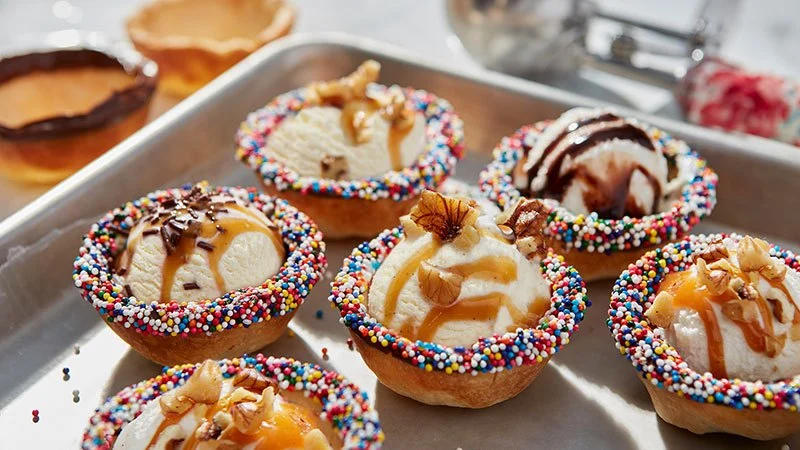
Small-batch ice cream refers to the handcrafted process of making ice cream in smaller quantities, often with a focus on high-quality ingredients and unique, seasonal flavors. The goal is to create a premium product that delivers a rich, creamy texture and distinctive taste. Typically, small-batch ice cream is produced by local shops or boutique brands that prioritize quality over quantity.

King Kone / king kone ocean city
Ocean CityWorcester CountyMaryland
14300 Coastal Hwy, Ocean City, MD 21842, USA
1.2 Mass-Produced Ice Cream
Mass-produced ice cream, on the other hand, is made in large quantities in industrial settings. While it may not have the same artisanal appeal, mass-produced ice cream is highly efficient and accessible. Brands like Ben & Jerry’s and Haagen-Dazs, for instance, use sophisticated machinery to churn out millions of gallons of ice cream, ensuring consistency, shelf life, and widespread availability at affordable prices.
2. The Rise of Artisan Ice Cream: What’s Behind the Trend?
In recent years, artisan ice cream has experienced a major surge in popularity, with more and more people seeking out unique, small-batch flavors. This growing interest can be attributed to several factors:
2.1 Focus on Quality and Flavor
Consumers are becoming increasingly health-conscious and are seeking out premium products that align with their values. Artisan ice cream makers often use organic, locally-sourced ingredients, as well as innovative flavors, to meet this demand. Whether it's a tangy goat cheese and fig combination or a rich dark chocolate with chili, small-batch ice cream allows for much more creativity in the kitchen.
2.2 Support for Local Businesses
Supporting local businesses has become a major trend, and small-batch ice cream shops are at the forefront of this movement. People are more inclined to purchase from small, independent companies that align with their community values. Local ice cream shops often provide a personalized touch and unique offerings that larger companies can't replicate.
2.3 The Experience Factor
Buying ice cream from an artisan shop isn’t just about the taste—it’s about the experience. Many small-batch producers offer tastings, special events, and unique packaging that make the whole process more immersive. People are drawn to the story behind the ice cream, from the ingredients to the method of creation.
3. The Benefits of Small-Batch Ice Cream
While mass-produced ice cream has its place in the market, small-batch ice cream offers a range of benefits that make it worth considering for those looking for something special.
3.1 Higher Quality Ingredients
One of the most significant advantages of small-batch ice cream is the quality of the ingredients. Since small-batch makers are focused on providing a premium product, they often use fresh, high-quality ingredients, such as local dairy, organic fruits, and natural flavorings. This results in a richer, more complex flavor that mass-produced options can't always replicate.
3.2 Unique Flavors and Limited Editions
Small-batch ice cream makers have the freedom to experiment with flavor combinations that are out of the ordinary. Whether it’s a lavender-honey blend or a savory bacon and bourbon flavor, small-batch shops are able to offer a variety of limited-edition and seasonal options that keep customers coming back for more. These unique offerings create excitement and encourage exploration in the world of ice cream.
3.3 Small Carbon Footprint
Many artisan ice cream brands focus on sustainability and local sourcing. By using fewer resources and focusing on smaller-scale production, they typically have a lower environmental impact compared to mass production methods. The use of local ingredients also reduces the carbon footprint associated with transportation.
4. The Power of Mass-Produced Ice Cream
Mass-produced ice cream, despite its differences from small-batch varieties, has its own set of advantages that make it a staple in many households. Let’s take a closer look at the benefits of this large-scale production method.
4.1 Consistency and Availability
One of the main advantages of mass-produced ice cream is its consistency. Brands that produce ice cream on a large scale have perfected the process, ensuring that each tub tastes exactly the same every time you buy it. Additionally, these brands are available in virtually every grocery store, making them accessible to a wide audience.
4.2 Affordability
Mass-produced ice cream is significantly more affordable than small-batch ice cream, making it an attractive option for families or those on a budget. The economies of scale that come with large-scale production allow these brands to offer lower prices, making ice cream a treat that’s accessible to almost anyone.
4.3 Convenience
Because mass-produced ice cream is sold in large quantities and has a long shelf life, it’s a convenient choice for people who want ice cream on hand without worrying about it melting or going bad too quickly. This makes it a practical option for those who want to stock up and enjoy ice cream whenever they crave it.
5. How to Choose Between Small-Batch and Mass-Produced Ice Cream
With both small-batch and mass-produced ice cream available, choosing which one to indulge in can be a tough decision. Here are some factors to consider:
5.1 Budget
If you’re on a tight budget, mass-produced ice cream may be the more practical choice. It’s affordable and offers a variety of well-known flavors. However, if you’re willing to spend a little extra, small-batch ice cream can provide a richer, more luxurious experience.
5.2 Flavor Preferences
If you’re looking for classic flavors and don’t mind sticking with what you know, mass-produced ice cream might be the right fit. But if you’re someone who loves to try new, experimental flavors, small-batch ice cream is the way to go. Many artisan ice cream makers offer unique flavor combinations that are hard to find in stores.
5.3 Occasion
For a casual treat, mass-produced ice cream is a great option. However, for a special occasion or when you want to treat yourself to something unique, small-batch ice cream can provide a more elevated experience. Whether it’s a birthday, a holiday, or a simple indulgence, artisan ice cream can add an extra touch of luxury to your day.





 Häagen-Dazs4.0 (110 reviews)
 Rita's Italian Ice & Frozen Custard4.0 (723 reviews)
 Smiley's Ice Cream4.0 (21 reviews)
 Sugarfly Ice Cream Shop4.0 (7 reviews)
 Carvel4.0 (195 reviews)
 Terry’s Soft Serve0.0 (0 reviews)
 What Is Bourbon Ball Ice Cream and How to Soak Kentucky Whiskey
 Ice Cream and Identity: How Ice Cream Reflects Personal and Cultural Tastes
 What’s New in the World of Ice Cream Flavors and Trends
 How to Make Ice Cream with Watermelon for a Refreshing Summer Treat
 How to Make Ice Cream with Raspberries for a Seedless Texture
 Why You Should Try Making Your Own Ice Cream at Home – Flavor, Fun, and Freedom