
How to Plan an Ice Cream Order for a Group
On this page
Quick answer
Plan a group ice cream order by confirming the guest count, dessert role, serving format, portion size, dietary needs, freezer capacity and pickup timing. Ask the shop how many portions its actual container or cake yields instead of relying on a universal formula. Choose a small balanced flavor mix, label allergens clearly, keep reserve product frozen and assign one person to receive and serve the order.
Philly Detail Phanatics/Fred’s Water Ice / fred's water ice near me
PhiladelphiaPhiladelphia CountyPennsylvania
901 W Tabor Rd, Philadelphia, PA 19141, USA
Define the event before choosing flavors
A group ice cream order is an order sized and packaged for a known event plan, not simply a collection of popular flavors. The right quantity changes when ice cream is the main dessert, one item on a buffet, a plated course, a tasting activity or a late snack.
Write down:
- confirmed guests plus a reasonable uncertainty range;
- how many are children and adults, without assuming appetite from age alone;
- whether another dessert or meal is served;
- cups, cones, sandwiches, bars, scooped tubs or a frozen cake;
- indoor or outdoor service conditions;
- available freezer and serving space;
- the exact service time, pickup window and travel time.
Best for predictable service: pre-portioned items or a staffed scoop station with a clear portion tool. Not ideal: buying large tubs without checking freezer space, scoop yield or how long they will sit out.
Pav's Creamery North Canton / pavs canton
708 S Main St, North Canton, OH 44720, USA
Estimate servings without guessing
- Choose the serving unit. Decide on one scoop, two smaller scoops, one novelty item, one slice or another clearly defined portion.
- Ask the shop for yield. Container volume, scoop size, product density and server technique all affect portions.
- Separate confirmed needs. Count reserved dairy-free, allergen-managed or other special servings independently so they are not consumed first.
- Account for menu context. A full meal and several desserts usually change demand compared with ice cream as the featured course.
- Add a deliberate buffer. Base it on attendance uncertainty and replacement risk, not an arbitrary percentage.
- Plan leftovers before ordering. Confirm sealed storage capacity and who will take unopened product.
Create a simple worksheet: guest range × planned portion = required servings, then divide by the shop’s stated yield per package. Round according to the packages actually sold. Ask the shop to review the result for its products.
Choose a practical flavor mix
Use a few distinct categories rather than many nearly identical choices:
- one familiar base flavor that works with toppings;
- one chocolate, caramel or other rich option;
- one fruit-forward or refreshing flavor;
- one clearly identified non-dairy option when requested;
- one regional or seasonal choice if the group is interested.
Ask guests for needs and strong preferences before the order deadline, but avoid turning the poll into a promise that every suggestion will appear. Too many flavors create small leftover amounts, extra utensils and more opportunities for label or scoop mix-ups.
For toppings, choose contrasting textures and flavors that can be served separately. Keep wet toppings, crunchy toppings and garnishes in suitable containers. Avoid placing a self-serve topping bar where children can reach choking hazards or where allergens spread easily.
Allergens and dietary needs
“Dairy-free,” “vegan,” “nut-free” and “gluten-free” describe different concerns and do not automatically mean the product is safe for an allergy. Ask the shop about ingredients, shared equipment, scoop water, display cases, toppings, cones, preparation surfaces and cross-contact procedures.
- Keep original labels or written ingredient information with the order.
- Use separate, clearly identified utensils and closed containers.
- Serve reserved allergy-managed portions before shared utensils or toppings create cross-contact.
- Do not claim an item is allergen-free unless the shop can support that statement.
- Let guests with allergies make their own informed decisions; never pressure them to “try a little.”
Pickup, storage and service plan
- Confirm the order, packaging, flavors, quantity, price, cancellation terms and pickup name in writing.
- Ask how early to collect it and what insulated containers or dry ice precautions, if any, the shop recommends.
- Clear freezer space before pickup and measure shelves for large containers or cakes.
- Transport the order directly to the event using the shop’s cold-holding instructions.
- Keep reserve product frozen and set out only what can be served promptly.
- Use clean scoops, dedicated utensils and visible non-sensitive flavor labels.
- Return safe unopened reserve product to the freezer promptly and discard temperature-abused leftovers under authoritative guidance.
Dry ice can cause burns and carbon dioxide buildup. Use it only with trained handling, ventilation and packaging guidance; never seal it in an airtight container or allow direct skin contact.
Reduce waste and confusion
Offer smaller first portions with seconds available instead of oversized servings. Use one server or a clear scoop standard. Keep cones dry and protected, and provide cups as a backup for broken cones or accessibility needs.
Label unopened containers for later use and record the pickup or production information the shop provides. Do not refreeze product that has melted or been held unsafely. Donate only when a recipient can accept sealed food under applicable rules and maintain the cold chain.
Sources and evidence notes
This guide reflects event-planning, allergen communication and frozen-food handling principles. It avoids a universal per-person quantity because product size, portion tool, menu and audience differ. Shop-specific yield, manufacturer storage instructions and official food-safety guidance take priority.
Frequently asked questions
How many flavors should I order?
Use the smallest mix that covers clear preferences and dietary needs. More choices can increase leftovers and cross-contact risk without improving the event.
Are cups or cones easier for a group?
Cups are generally easier to stage, label and handle indoors; cones reduce dishware but can break and melt quickly. Offer both only if the added logistics are manageable.
Can I scoop portions ahead of time?
Ask the shop or follow a tested food-service process. Pre-scooping requires clean equipment, suitable trays, covers and continuous frozen storage to protect quality and safety.
What if the event is outdoors?
Shorten service time, increase cold-holding capacity, keep reserves shaded and frozen, and follow food-safety temperature guidance. Consider individually packaged items when scooping conditions are poor.
Should I order an exact guest count?
Use a confirmed range, shop yield and a deliberate buffer based on uncertainty. Plan what happens to sealed extras before purchasing them.
Conclusion and next steps
Set the serving format, guest range and dietary needs first. Then ask the shop for the real yield of its packages, choose a compact flavor mix and confirm cold storage from pickup through service. A written order sheet and one responsible event lead prevent more problems than adding extra flavors at the last minute.
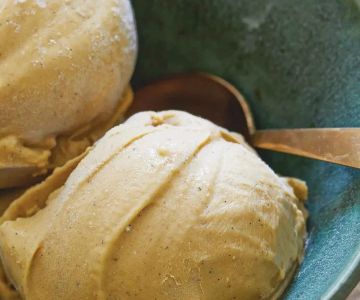
 Gio’s Gelato & Espresso Bar4.0 (117 reviews)
 Sharon Dairy King4.0 (376 reviews)
 Dell's Sundae Grill4.0 (355 reviews)
 Dalzell Dairy4.0 (48 reviews)
 Cold Stone Creamery3.0 (128 reviews)
 Flamingo Ice Cream4.0 (17 reviews)
 Ice Cream and Pop Culture: References in Songs, TV, and Books
 Best Ice Cream Shops in Bristol for Rhode Island Portuguese Influence
 How to Make Vegan Ice Cream That Tastes Amazing
 What Is Coffee Ice Cream and the Best Brands for Caffeine Lovers
 Best Ice Cream Shops in Fairbanks for Alaska Aurora Borealis Themes
 Best Ice Cream Shops in Seattle for Coffee-Infused Scoops