

Thick or Sippable Milkshake? Choose Texture and Add-Ins
On this page
- Quick answer
- What makes a milkshake thick or thin
- Choose the ice cream base
- Understand the role of liquid
- Choose mix-ins that blend well
- Keep toppings separate from texture
- Questions to ask at the counter
- Allergies and dietary preferences
- Plan for takeout and melting
- Simple texture adjustments at home
- Frequently asked questions
- Conclusion and next steps
Quick answer
For a thick spoonable milkshake, choose a dense ice cream base, limited liquid, and finely blended mix-ins. For an easier sip, ask for more liquid or a lighter base. Sauces usually blend smoothly, while large cookies, candy, nuts, and frozen fruit can block a straw or make texture uneven. Order toppings separately when you want crunch, and ask about ingredients and cross-contact before customizing for dietary needs.
Every ice cream shop uses different recipes, equipment, portions, and menu terms. Describe the drinking experience you want—spoonable, wide-straw thick, or easy to sip—rather than relying only on the word “thick.”
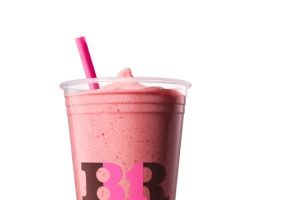
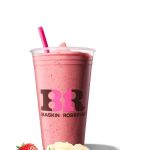
Baskin-Robbins / baskin robbins dubuque
2660 Dodge St Suite 200, Dubuque, IA 52003, USA
What makes a milkshake thick or thin
Milkshake texture comes from the ratio of frozen base to liquid, the temperature of the ingredients, the amount of air, blending time, and the size and water content of mix-ins. More liquid generally makes a shake easier to sip, while a higher proportion of cold ice cream produces more body.
Blending longer can smooth chunks but also warms the mixture. A shake may therefore become thinner while it becomes more uniform. Shop equipment and holding time also change the result.

Anita La Mamma del Gelato / anita gelato near me
New YorkNew York CountyNew York
207 W 45th St, New York, NY 10036, USA
Choose the ice cream base
A dense premium-style ice cream can create a richer, thicker shake. Soft serve may blend quickly and produce a lighter, more uniform texture. Frozen custard, gelato, sherbet, sorbet, and plant-based frozen desserts behave differently because their fat, sugar, water, and air content vary.
Ask which bases the shop allows in a shake and whether a flavor already contains pieces or swirls. A simple base often makes custom mix-ins easier to taste and distribute.
Understand the role of liquid
Milk is common, but shops may use another dairy product, a plant-based beverage, coffee, fruit juice, or a prepared mix. The choice changes flavor, sweetness, richness, and allergen profile as well as thickness.
Requesting “less milk” may not produce a predictable result if the recipe uses a premixed base. Ask whether the shop can make the shake spoonable or easier to sip within its standard process. Staff may need to protect blender performance and recipe consistency.
Choose mix-ins that blend well
- Sauces and syrups: usually distribute evenly but can add substantial sweetness.
- Cookie crumbs: thicken the shake and may soften as they sit.
- Candy pieces: can remain hard, sink, or obstruct a narrow straw.
- Nut butters: add body and richness but require allergen care.
- Fresh or frozen fruit: adds water, fiber, seeds, and natural acidity.
- Malt powder or cocoa: adds dry solids and can intensify flavor without large pieces.
One or two compatible additions often create a clearer flavor than many mix-ins competing at once.
Keep toppings separate from texture
Whipped topping, crumbs, nuts, cereal, candy, and a cherry mainly affect the first few bites unless they are blended in. Crunchy toppings soften quickly when touching a melting shake. Ask for them on the side if you want to control texture throughout.
A domed lid and heavy topping stack can make a drink difficult to carry. For takeout, a flat lid and separate toppings may be less messy. Do not place a lid over a tall rigid garnish that could create a puncture or spill.
Questions to ask at the counter
- Is this shake normally spoonable or easy to drink through its straw?
- Which ice cream flavors can be used as the base?
- Are the cookies or candy fully blended or left in pieces?
- Can sweetness be reduced, or is the sauce premixed?
- Are toppings included, and can they be packed separately?
- What cup size and straw width come with the order?
- Which ingredients and cross-contact risks should I know about?
Ask before payment when a change is important. Some recipes or equipment cannot support every customization.
Allergies and dietary preferences
A dairy-free base does not automatically make the finished shake free from milk, nuts, soy, wheat, egg, or other allergens. Shared scoops, blenders, counters, sauces, and toppings can create cross-contact. Ingredient brands and recipes may also change.
Tell staff about an allergy before ordering, ask them to check current ingredient information and preparation procedures, and decide whether those controls meet your needs. Do not rely on color, flavor name, or a “vegan” label alone to assess all allergens.
Plan for takeout and melting
A shake starts changing as soon as it is blended. Warm weather, a hot vehicle, direct sunlight, and a long wait make it thinner. Order near departure, carry it upright in a cup holder, use an insulated carrier if practical, and enjoy it promptly.
Do not leave a dairy or plant-based shake in a warm vehicle for later. If it has been held at an unsafe temperature or its handling is uncertain, discard it rather than refreezing or reblending it.
Simple texture adjustments at home
If a take-home shake is too thick immediately, let it stand briefly in the refrigerator and stir with a long spoon. Adding liquid changes flavor and food safety, so use a small amount of a compatible cold ingredient only when you know the shake’s contents.
If it is thinner than expected, do not add ice, which can dilute flavor and create shards. A clean spoon and a chilled glass can make it more enjoyable, but melted texture cannot be fully reversed. Avoid reblending after several people have drunk from the cup.
Frequently asked questions
Why is my milkshake too thick for the straw?
The frozen-base ratio, temperature, and solid mix-ins may exceed what a narrow straw can handle. Use a spoon or ask for an appropriate wider straw rather than forcing it.
Does adding more ice cream always fix a thin shake?
It can add body, but it also changes portion, sweetness, flavor, and cost. A shop may prefer to remake a shake that falls outside its recipe standard.
Are malted shakes thicker?
Malt powder adds dry solids and a distinctive toasted flavor, but the final thickness still depends on the full recipe and blending process.
Can I mix several ice cream flavors?
Often, but the result may be sweeter or less distinct than expected. Confirm the shop allows it and choose flavors with compatible swirls and pieces.
Conclusion and next steps
Choose the desired drinking texture first, then select a base, liquid, and one or two mix-ins that support it. Keep crunchy toppings separate, ask how pieces will blend, and clarify ingredient or cross-contact concerns before ordering. For takeout, minimize travel time and keep the cup upright so the intended texture lasts as long as possible.



 Baskin-Robbins0.0 (0 reviews)
 JJ's Custard Company - Dearborn Heights4.0 (140 reviews)
 Cool Joint Ice Cream4.0 (68 reviews)
 Dairy Queen (Treat)4.0 (255 reviews)
 Rita's Italian Ice & Frozen Custard4.0 (139 reviews)
 South Side Scoops4.0 (258 reviews)
 Best Ice Cream Shops in Indianapolis for Hoosier Hospitality
 Best Ice Cream Shops in Chicago for Classic and Artisan Flavors
 How to Make Ice Cream with Fennel for a Unique Anise Flavor
 Ice Cream and Space Exploration: How Astronauts Eat Ice Cream
 Ice Cream and Photography: Tips for Stunning Dessert Photos
 How to Make Mexican Enchiladas with a Delicious Homemade Sauce