
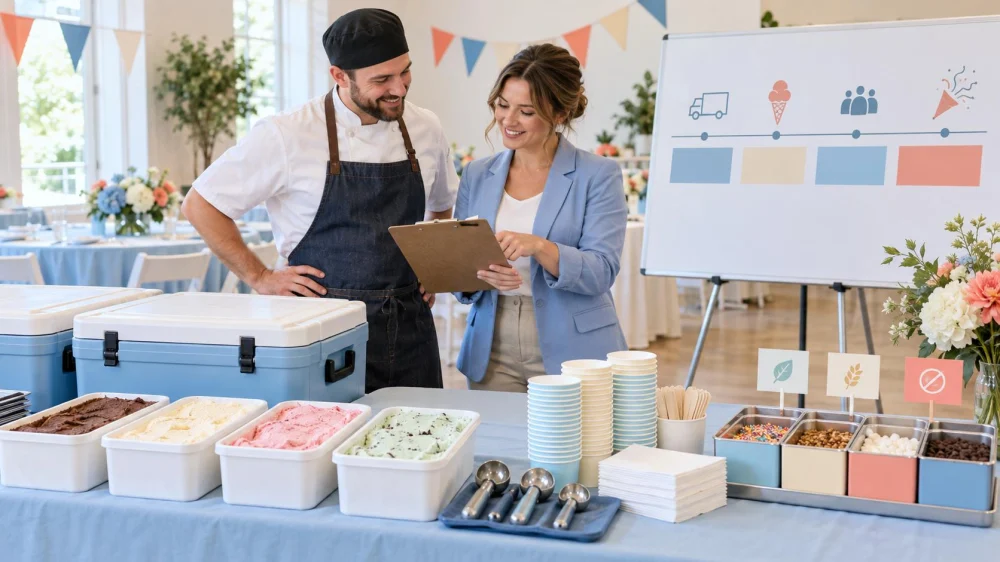
Ice Cream Catering: Headcount, Freezer, and Service Plan
On this page
Quick answer
Give the ice cream caterer a confirmed guest range, event timeline, venue access, serving location, power and freezer details, menu choices, allergen needs, and cleanup rules. Agree on portions, backup stock, transport, temperature control, staffing, utensils, signage, setup and removal times, and the remedy for delays or equipment failure. Reconfirm the plan shortly before the event.

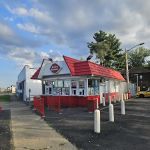
The Original Rainbow Cone - Flossmoor / rainbow cone flossmoor
19805 Crawford Ave, Flossmoor, IL 60422, USA
Build a realistic guest count
Start with invited, expected, and guaranteed counts rather than one optimistic number. Tell the caterer the mix of adults and children, event length, whether ice cream is the only dessert, and whether service follows a full meal. Ask how portions and backup are calculated.
- Set a deadline for the final guaranteed count.
- Ask how additions and no-shows affect price.
- Confirm cup, cone, flight, sandwich, or sundae portions.
- Plan an orderly second-serving rule.
- Include caterer and venue staff in the count if the contract provides meals.
A wide flavour list can create waste and slow service. A focused menu with enough stock is often easier to execute.
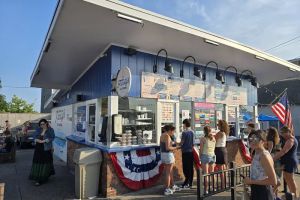
Mr. Frosty's Ice Cream Shop / mr frosty's ice cream shop menu
NorwalkWestern Connecticut Planning RegionConnecticut
6 1st St, Norwalk, CT 06855, USA
Set the menu and allergen process
Collect dietary requests early but never promise that a product is safe without the caterer’s current ingredient and cross-contact information. Confirm dairy, egg, peanut, tree-nut, wheat, soy, sesame, and other relevant ingredients for every ice cream, cone, sauce, and topping.
Ask how utensils, tubs, scoops, gloves, storage, and service order reduce cross-contact. A “dairy-free,” “vegan,” or “nut-free” name does not by itself describe the preparation environment. Provide a way for guests to speak directly with a knowledgeable staff member.
Confirm the cold chain
Identify who provides freezer space, insulated transport, dry ice or gel packs, thermometers, backup power, and a safe staging location. Confirm arrival time and how long products can remain outside controlled storage during setup and service.
FDA advises keeping freezers at 0°F or below and applying the two-hour rule to perishable foods at room temperature, reduced to one hour above 90°F. The caterer’s product and equipment plan may require tighter limits. Protect coolers from sun, crowds, and repeated opening.
Design the service flow
Walk the route from loading area to freezer to service station. Check stairs, doors, lifts, parking, outlets, weather cover, handwashing, waste, lighting, and accessible counter height. Arrange the queue so guests do not cross behind staff or block exits.
- Stage cups, cones, napkins, and utensils before opening.
- Display only the amount that can remain safely controlled.
- Assign separate staff or utensils where the allergen plan requires it.
- Restock from closed cold storage.
- Remove spills promptly and mark slippery areas.
- Close service at the agreed time and handle leftovers under the plan.
Put responsibilities in the contract
The agreement should list date, times, location, menu, quantities, service style, staffing, rentals, delivery, setup, power, freezer responsibility, taxes, gratuity or service charges, deposits, final payment, cancellation, weather, damage, and cleanup.
Define what happens if the venue changes access, a freezer fails, the caterer is late, a flavour is unavailable, or attendance differs. Record who may approve paid changes on event day and require written confirmation.
Frequently asked questions
How much ice cream should I order?
Ask the caterer to calculate from serving format, guest count, menu breadth, event timing, and second-serving policy.
Can the venue freezer hold catering tubs?
Verify usable dimensions, temperature, access, food-storage rules, and whether other items will compete for space.
Is dry ice safe indoors?
It requires trained handling and ventilation. Follow supplier, venue, and safety instructions; guests should not touch it.
Can leftovers go home with guests?
Only under a food-safety plan that preserves temperature control. Do not distribute softened products with unknown history.
Should tips be added at the event?
Check whether gratuity or a service charge is already included and how the contract describes it.
Conclusion and next steps
Confirm the guest range, concise menu, allergen communication, cold storage, service route, staffing, and contract. Walk the venue plan with both caterer and venue, then reconfirm timing and counts. On event day, protect the cold chain, keep service organised, and document any approved change.
Limitations: This is an event-planning checklist. Caterer procedures, venue rules, food codes, and weather conditions control the specific service.





 Dairy Queen (Treat)4.0 (165 reviews)
 Dairy Queen (Treat)3.0 (490 reviews)
 Dairy Queen (Treat)3.0 (179 reviews)
 Melt n Dip - Gelato & Crepe4.0 (496 reviews)
 Van Leeuwen Ice Cream4.0 (335 reviews)
 YoYo Thai Ice Cream Roll4.0 (353 reviews)
 Ice Cream and Trends: How COVID-19 Changed the Industry
 Best Ice Cream Shops in Napa for California Wine Grape Sorbets
 Ice Cream Float Guide: Soda, Scoops, Foam, and Timing
 Ice Cream and Philosophy: The Ethics of Indulgence vs. Moderation
 Rum Raisin Ice Cream: Caribbean Influences and How It's Made
 What Is Soda Float Ice Cream and How to Choose the Right Carbonated Drink