
- Understanding-French-Vanilla-Ice-Cream
- How-French-Vanilla-Differs-From-Regular-Vanilla
- The-Science-Behind-Its-Rich-Flavor
- Popular-Uses-and-Why-People-Love-It
- Real-World-Story-and-Cultural-Influence
- How-to-Choose-or-Make-the-Best-Version
1. Understanding French Vanilla Ice Cream
If you’ve ever stood in the freezer aisle wondering what is French vanilla ice cream and what makes it different, you’re not alone. At first glance, it sounds like just a fancier version of regular vanilla. But the truth is, French vanilla refers more to the method than the origin.
1.1 The Meaning Behind “French”
Contrary to what many assume, French vanilla isn’t about a specific type of vanilla bean. The “French” part actually refers to a classic French-style custard base used in the recipe.
1.2 The Custard Foundation
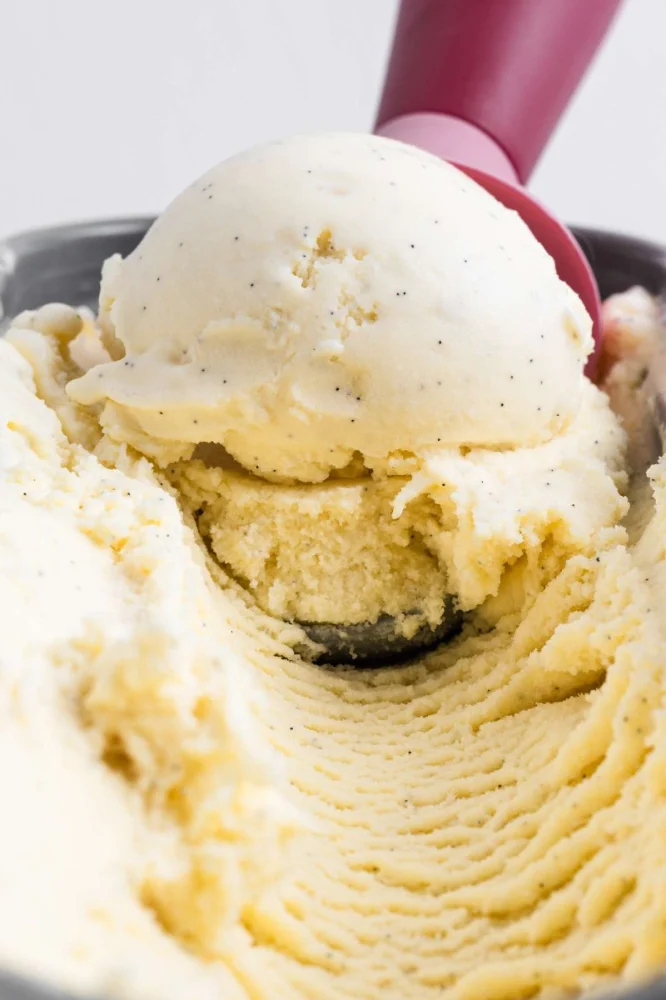
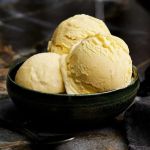
Unlike standard vanilla ice cream, French vanilla is made with egg yolks. This gives it a richer texture, a slightly yellow color, and a deeper, almost buttery flavor that stands out immediately.
1.3 Why It Feels More Luxurious
The addition of eggs creates a smoother mouthfeel. When you take a bite, it melts more slowly and coats your palate, which many people describe as a more indulgent experience.
Dairy Queen (Treat) / dairy queen richmond mi
68020 Main St, Richmond, MI 48062, USA
2. How French Vanilla Differs From Regular Vanilla
Understanding the difference between French vanilla and regular vanilla helps explain why it has such a loyal following.
2.1 Ingredient Differences
Regular vanilla ice cream typically uses a simple base of milk, cream, sugar, and vanilla extract. French vanilla adds egg yolks, transforming it into a custard.
2.2 Flavor Profile Comparison
Regular vanilla tends to be lighter and more straightforward. French vanilla, on the other hand, has a deeper, creamier taste with subtle caramel-like notes.
2.3 Texture and Appearance
French vanilla is usually thicker and silkier. Its pale yellow color also makes it visually distinct from the bright white tone of standard vanilla ice cream.

3. The Science Behind Its Rich Flavor
There’s more going on than just taste—there’s real food science behind why French vanilla feels so different.
3.1 The Role of Egg Yolks
Egg yolks contain fat and emulsifiers, which help blend water and fat more effectively. This results in a smoother, creamier consistency with fewer ice crystals.
3.2 Temperature and Cooking Process
The custard base is gently heated during preparation. This step thickens the mixture and develops a more complex flavor before it’s churned into ice cream.
3.3 Why It Melts Differently
Because of its fat content and structure, French vanilla melts more evenly, creating that signature velvety texture people love.
4. Popular Uses and Why People Love It
French vanilla isn’t just for scooping into a bowl—it’s a versatile favorite in many American desserts.
4.1 A Perfect Base for Toppings
Its rich flavor pairs beautifully with pies, brownies, and fruit-based desserts. It enhances other ingredients without overpowering them.
4.2 Coffee and Beverages
French vanilla flavoring is widely used in coffee creamers and lattes, adding a warm, dessert-like note to everyday drinks.
4.3 Why It Feels Premium
Many people associate French vanilla with higher quality because of its texture and depth. It often feels like a step up from standard options.
If you’re exploring different varieties or looking for premium-quality options, platforms like Ice Cream Shop often showcase curated selections that highlight both traditional and modern takes on French vanilla.
5. Real-World Story and Cultural Influence
A few years ago, a viral social media debate asked a surprisingly heated question: “Is French vanilla actually better than regular vanilla?” The discussion exploded, with chefs and home cooks weighing in.
5.1 What Professionals Said
Many pastry chefs argued that French vanilla is ideal for standalone desserts because of its richness, while regular vanilla works better in recipes where balance is key.
5.2 Home Cook Perspective
Home bakers shared that switching to French vanilla in simple desserts like milkshakes or sundaes instantly made them taste more “restaurant-quality.”
5.3 Cultural Impact
This conversation highlighted how something as simple as ice cream can carry strong preferences and emotional connections, especially in American food culture.
6. How to Choose or Make the Best Version
Whether you’re buying or making your own, knowing what to look for can elevate your experience.
6.1 Reading Labels Carefully
Not all “French vanilla” products are created equal. Some use artificial flavoring without a true custard base. Look for ingredients like egg yolks for authenticity.
6.2 Making It at Home
Homemade French vanilla requires patience but rewards you with unmatched flavor. The key is slowly cooking the custard without scrambling the eggs.
6.3 Choosing Quality Brands
Premium brands often emphasize natural vanilla and traditional methods. Exploring trusted sources like Ice Cream Shop can help you discover options that stay true to the classic style.
Understanding what makes French vanilla ice cream different opens the door to appreciating it on a deeper level. It’s not just about flavor—it’s about technique, texture, and the small details that turn a simple dessert into something memorable.

 Baskin-Robbins3.0 (50 reviews)
 Southpole Ice Cream Roll4.0 (282 reviews)
 dairy queen ringwood4.0 (44 reviews)
 LA MICHOACANA TROPICAL4.0 (178 reviews)
 BB's Hot's4.0 (25 reviews)
 Sugar Creek Meats and Treats5.0 (55 reviews)
 Best Ice Cream Shops in Little Rock for Arkansas Berry Patches
 Best Ice Cream Shops in Albany for New York Apple Orchards
 Ice Cream Making 101: Everything You Need to Know to Get Started
 Best Ice Cream Shops in Burlington for Vermont Cheddar Cheese Infusion
 Best Ice Cream Shops in Baltimore for Maryland Crab Cake Pairings
 Best Ice Cream Shops in Phoenix for Sonoran Desert Inspired Creations